Iran Hardens Negotiating Stance in Ongoing US-Israel Conflict
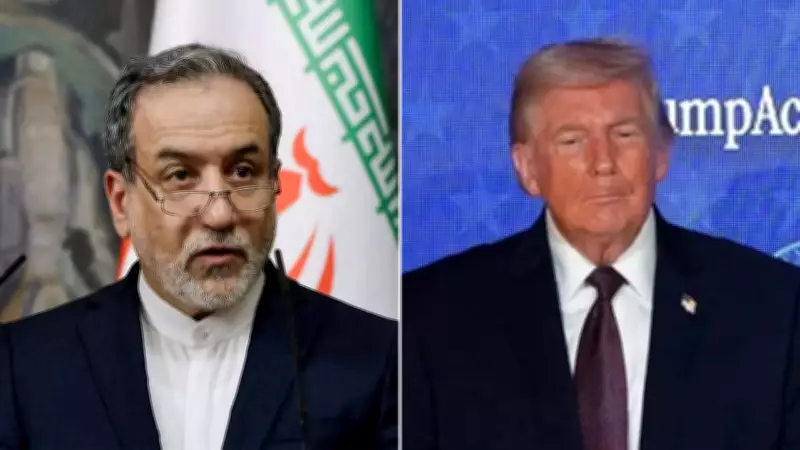
Iran has significantly toughened its negotiating position as the war with the United States and Israel continues to escalate. Senior officials in Tehran have made it clear that any move toward peace talks would depend on extensive concessions from Washington. According to Reuters, citing three senior Iranian sources, these demands are likely to be unacceptable to US President Donald Trump, setting the stage for a prolonged standoff.
Core Demands and Red Lines
At the heart of Tehran's stance is a firm insistence that any negotiations must first bring an end to the war. Additionally, Iran is seeking guarantees against future military actions, compensation for wartime losses, and formal control over the strategically critical Strait of Hormuz. This chokepoint is vital for roughly one-fifth of global oil and liquefied natural gas flows, making it a key leverage point for Iran.
Iran has also drawn a clear red line around its ballistic missile program, refusing to discuss any limitations. This position remains unchanged even as backchannel diplomacy intensifies, highlighting Tehran's commitment to maintaining its defensive capabilities. Analysts note that relinquishing these missiles would leave Iran vulnerable to future attacks, given their effectiveness in countering US-Israeli strikes.

Diplomatic Efforts and Denials
Despite President Trump's claim on Monday that Washington had held "very, very strong talks" with Tehran more than three weeks into the conflict, Iranian officials have publicly denied any direct engagement. Instead, the three sources revealed that Iran has only held preliminary discussions with intermediaries, including Pakistan, Turkey, and Egypt, to assess whether conditions exist for meaningful negotiations.
A European official corroborated that no direct talks have taken place, noting that Egypt, Pakistan, and Gulf states have been relaying messages between the two sides. Separate sources in Pakistan indicated that direct negotiations to end the war could potentially be hosted in Islamabad later this week, offering a glimmer of hope for diplomatic progress.
Key Players and Internal Dynamics
If talks do materialize, Iran is expected to send Parliament Speaker Mohammad Baqer Qalibaf and Foreign Minister Abbas Araqchi as representatives. However, the final decision-making authority would rest with the hardline Islamic Revolutionary Guard Corps (IRGC), whose influence has grown significantly since the conflict began. This adds a layer of complexity, as the IRGC's stance is often more rigid than that of civilian officials.
Domestic dynamics within Iran are further constraining Tehran's room for compromise. The growing clout of the Revolutionary Guards, uncertainty surrounding the leadership of newly appointed Supreme Leader Mojtaba Khamenei—who has yet to make a public appearance—and a strong internal narrative of wartime resilience are all factors shaping Iran's approach.
Skepticism and Regional Escalation
Israeli officials remain skeptical about the prospects of a breakthrough. Three senior figures expressed doubts that Tehran would agree to US demands, which they believe would include curbs on both its nuclear and ballistic missile programs—conditions Iran views as existential threats to its security.
Trust deficits are also playing a crucial role. Iranian strategists remain wary after coming under attack following an earlier agreement last year, even as negotiations were ongoing. Continued Israeli military operations in Lebanon and Gaza after ceasefires have further deepened skepticism about the durability of any potential deal.
Meanwhile, the conflict continues to widen regionally. Israel's Defence Minister stated on Tuesday that its military intends to control southern Lebanon up to the Litani River, underscoring the escalating stakes even as diplomatic efforts struggle to gain traction. This expansion highlights the urgent need for a resolution, but with Iran's hardened stance, the path to peace remains fraught with challenges.