Iran Executes Alleged Israeli Spy Amid Escalating Regional Tensions
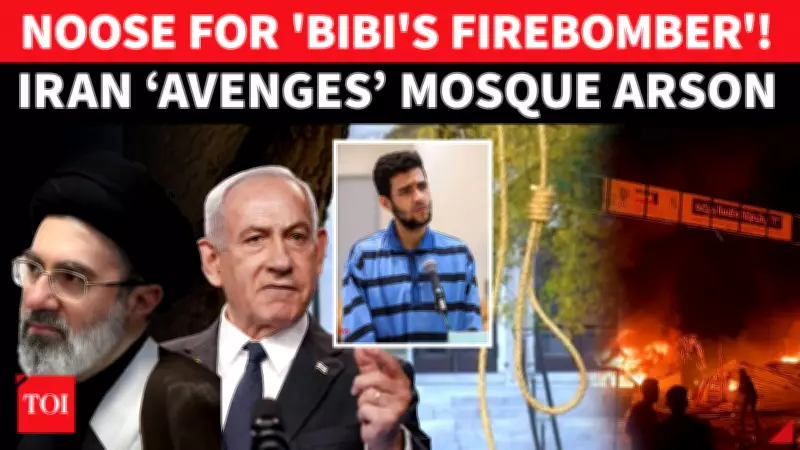
In a dramatic escalation of regional hostilities, Iran has carried out the execution of a man it accused of being a spy for Israel. The individual, identified by Iranian state media as Amirali Mirjafari, was allegedly the leader of a network connected to Israeli intelligence operations within Iran.
Details of the Alleged Espionage and Execution
According to reports from Iran's judiciary, Mirjafari was convicted on charges of espionage and specifically for setting fire to a mosque in Tehran. This act was portrayed by Iranian authorities as part of a broader "terror plot" orchestrated by Israel to destabilize Iran from within. The execution underscores Iran's hardline stance against what it perceives as foreign interference and sabotage activities on its soil.
The timing of this execution is particularly significant, coming amidst heightened tensions between Iran and Israel. These tensions have been simmering for years, fueled by geopolitical rivalries, proxy conflicts, and accusations of covert operations on both sides.

Israel's Response and Netanyahu's Claims
In response to the execution, Israeli Prime Minister Benjamin Netanyahu issued a statement asserting that Israel has already achieved a major objective in its ongoing conflict with Iran. Netanyahu did not elaborate on the specifics of this objective but emphasized Israel's resilience and strategic successes in countering Iranian threats.
Netanyahu's comments come at a time when the conflict between the two nations saw a temporary pause, following recent negotiations between Iran and the United States in Pakistan. However, this latest development suggests that any diplomatic respite may be short-lived, as both sides continue to engage in provocative actions and rhetoric.
Broader Implications for Regional Stability
The execution and the ensuing reactions highlight the volatile nature of Iran-Israel relations, which have far-reaching implications for Middle Eastern stability. Key points to consider include:
- Escalation Risks: Such incidents increase the likelihood of retaliatory measures, potentially leading to a cycle of violence that could draw in other regional actors.
- Diplomatic Challenges: The ongoing tensions complicate international efforts to mediate and de-escalate conflicts, particularly as major powers like the U.S. are involved in negotiations with Iran.
- Impact on Civilian Populations: Actions like mosque arson and espionage allegations can exacerbate sectarian and political divisions, affecting ordinary citizens in both countries.
As the situation develops, observers are closely monitoring for any further moves by either Iran or Israel that could signal an intensification of hostilities. The international community, including the United Nations and key global powers, may face increased pressure to intervene and prevent a full-scale confrontation.
This incident serves as a stark reminder of the deep-seated animosities and strategic calculations that define the Iran-Israel rivalry, with both nations seemingly prepared to take bold steps to assert their interests and security concerns.