Iran Denies US Talks, Accuses Washington of Spreading Fake News to Manipulate Oil Markets
Iran's foreign ministry spokesperson on Monday firmly denied holding any talks with the United States over the past 24 days. This statement came shortly after US President Donald Trump claimed that the two nations had found "major points of agreement" in recent discussions.
Iran's Official Denial and Accusations
According to state news agency IRNA, the ministry spokesperson stated that while friendly countries had relayed messages indicating the US had requested talks to end the war, Iran had not responded to these overtures. The spokesperson emphasized that no negotiations have taken place, contradicting Trump's assertions.
In a related development, Iran's Parliament Speaker, Mohammad Bagher Qalibaf, also denied any negotiations with the United States. He accused the US of using fake news to manipulate financial and oil markets, suggesting this tactic is an attempt to escape the "quagmire" in which the US and Israel are currently trapped.

US Claims and Regional Escalation
President Trump had previously stated that Iran was eager to make a deal and that US envoys were engaged in talks with a "respected" Iranian leader. However, Iran's denials cast doubt on these claims, highlighting a significant disconnect between the two nations' narratives.
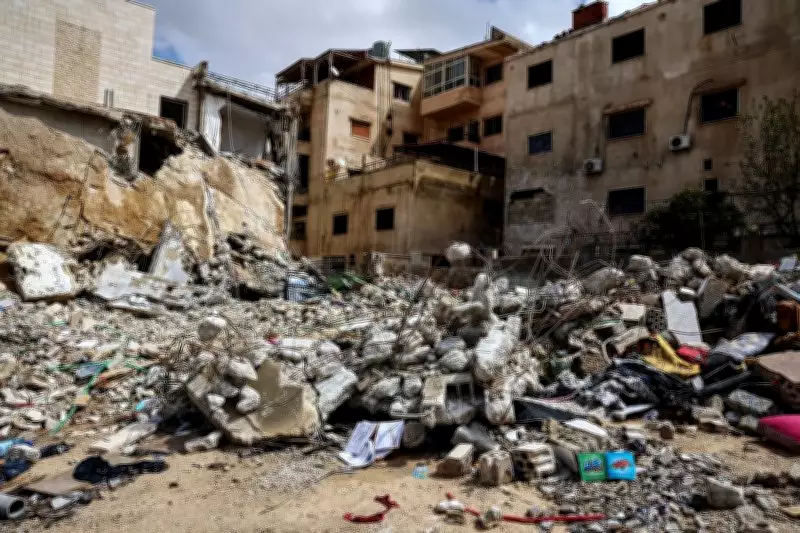
Meanwhile, the ongoing conflict in the Middle East saw another escalation. An Israeli air strike targeted the al Shahabiya district of Tyre in southern Lebanon, resulting in the death of one civilian and moderate injuries to four others. The strike caused significant damage to a residential area, as reported by Al Jazeera, citing Lebanon's National News Agency (NNA).
Implications for Oil Markets and Geopolitics
The accusations of fake news aimed at manipulating oil markets underscore the high stakes involved in US-Iran relations. Oil prices are often sensitive to geopolitical tensions in the Middle East, and such statements can influence market volatility. Iran's denial of talks suggests a hardening stance, potentially complicating efforts to de-escalate regional conflicts.
This development occurs against a backdrop of increased hostilities, with the recent strike in Lebanon marking another chapter in the ongoing strife. The situation remains fluid, with both diplomatic posturing and military actions shaping the geopolitical landscape.