

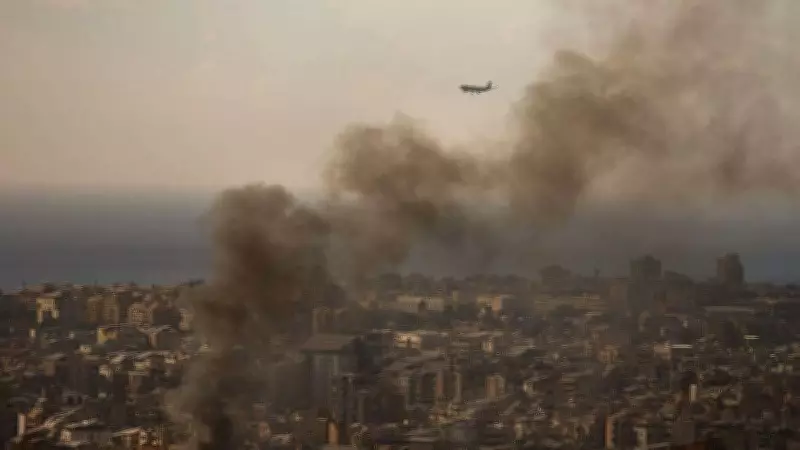
Iran-Backed Militias Target US Diplomats and Facilities in Iraq
In a significant escalation of regional hostilities, Iran-backed militant groups have launched targeted attacks against United States diplomats and diplomatic facilities in Iraq. These incidents, occurring against a backdrop of heightened geopolitical friction, underscore the volatile security landscape in the Middle East. Reports confirm that the assaults involved coordinated strikes aimed at American personnel and infrastructure, raising immediate concerns for international safety and diplomatic operations in the area.
Details of the Attacks and Immediate Aftermath
The attacks, which took place in various locations across Iraq, specifically targeted US diplomatic compounds and officials. Sources indicate that the Iran-supported militias utilized a combination of indirect fire and direct assault tactics to breach security perimeters. While specific casualty figures remain under assessment, initial accounts suggest that there have been injuries among US personnel and localized damage to facilities. The Iraqi government has been notified, and joint investigations are underway to ascertain the full scope and perpetrators of these aggressive actions.
Security Implications and Regional TensionsThis development exacerbates already strained relations between Iran and the United States, with both nations engaged in a protracted standoff over nuclear negotiations and regional influence. The targeting of diplomats represents a direct challenge to international norms and could precipitate a severe diplomatic crisis. Analysts warn that such provocations may lead to retaliatory measures, further destabilizing an area already plagued by conflict and political instability.

The international community has reacted with alarm to these attacks. Key allies of the United States have issued statements condemning the violence and calling for restraint. Diplomatic channels are being activated to de-escalate the situation, but the persistent involvement of Iran-backed groups complicates resolution efforts. The United Nations and other multilateral bodies are monitoring the developments closely, emphasizing the need for peaceful dialogue to prevent a broader regional conflagration.
Historical Context and Ongoing Conflicts
These incidents are not isolated but part of a pattern of aggression by Iran-aligned factions in Iraq. Over recent years, such groups have frequently targeted US interests, leveraging the country's fragile security apparatus. The ongoing tensions are rooted in deep-seated geopolitical rivalries, with Iran seeking to expand its influence across the Middle East, often through proxy forces. This latest episode highlights the persistent threat to international diplomacy and the complex interplay of local and global power dynamics in the region.
- Increased security measures for US diplomatic missions in Iraq and neighboring countries.
- Potential for escalated military or economic responses from the United States.
- Impact on ongoing nuclear talks and regional peace initiatives.
- Heightened risk for civilian populations caught in crossfire or collateral damage.
In conclusion, the attacks on US diplomats and facilities by Iran-backed militias mark a dangerous uptick in Middle Eastern tensions. As investigations proceed and diplomatic efforts intensify, the global community watches with concern, hoping to avert further violence and foster stability in this critically important region.






