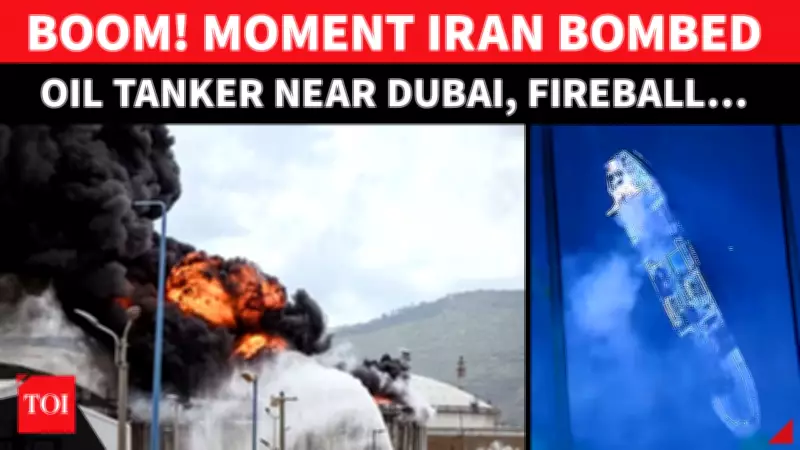
Iranian Attack on Kuwaiti Oil Tanker Near Dubai Sparks Major Global Energy Crisis
In a dramatic escalation of hostilities in the Gulf region, Iranian forces have launched a devastating strike on a fully-loaded Kuwaiti oil tanker near the port of Dubai. The vessel was set ablaze, creating a massive fireball and raising immediate concerns about a potential environmental catastrophe from an oil spill. This aggressive act marks a dangerous expansion of attacks targeting vital commercial shipping lanes, directly threatening global energy security and economic stability.
Immediate Aftermath and Regional Defense Response
Following the attack, all crew members aboard the Kuwaiti tanker were reported safe, a small relief amid the chaos. However, the incident triggered a swift defensive response from regional allies. United Arab Emirates air defense systems were activated, successfully intercepting fresh waves of Iranian missiles and drones aimed at strategic locations. Bahrain has confirmed that hundreds of such projectiles have been neutralized since the conflict began, highlighting the intense and ongoing nature of the military engagements.
Global Economic Impact and Market Turbulence
The strike sent immediate shockwaves through global financial markets. Oil prices surged dramatically, breaching the $115 per barrel mark before experiencing a slight correction. In the United States, the ripple effect was felt directly by consumers, with average fuel costs crossing the critical threshold of $4 per gallon. This price spike underscores how regional conflicts can rapidly translate into higher everyday expenses for households worldwide, straining budgets and impacting economic growth.

Broader Conflict Context and International Ramifications
This attack is not an isolated event but part of a broader pattern of Iranian aggression that has intensified regional tensions. Recent reports detail Iranian strikes on US-linked sites, including Camp Buehring in Kuwait, where troop hubs and hangars were left in ruins. Iran has also claimed to have busted a US-Israeli spy network, arresting over 130 individuals in sweeping raids. Furthermore, defiant statements from Tehran rejecting diplomatic talks have been coupled with threats from former US President Donald Trump to target Iranian power and oil infrastructure if provocations continue.
The conflict is now having a profound impact on global trade and supply chains. With critical maritime routes under threat, shipping costs are expected to rise, and delivery timelines may be disrupted, affecting industries from manufacturing to retail. The situation remains volatile, with concerns about further escalation, including potential nuclear dimensions, as hinted by UN insiders and strategic moves involving global powers like Russia and China.
As the world watches, the attack on the Kuwaiti oil tanker serves as a stark reminder of how regional conflicts can ignite global crises, affecting energy prices, economic stability, and international security frameworks.