

India's Pioneering Wildlife Infrastructure Project
In a landmark achievement for conservation and infrastructure development, India has constructed the country's largest animal overpass system along the Delhi–Mumbai Expressway near Ranthambore National Park. This ambitious project represents a significant step toward harmonizing rapid transportation networks with critical wildlife preservation efforts.
Unprecedented Scale and Design
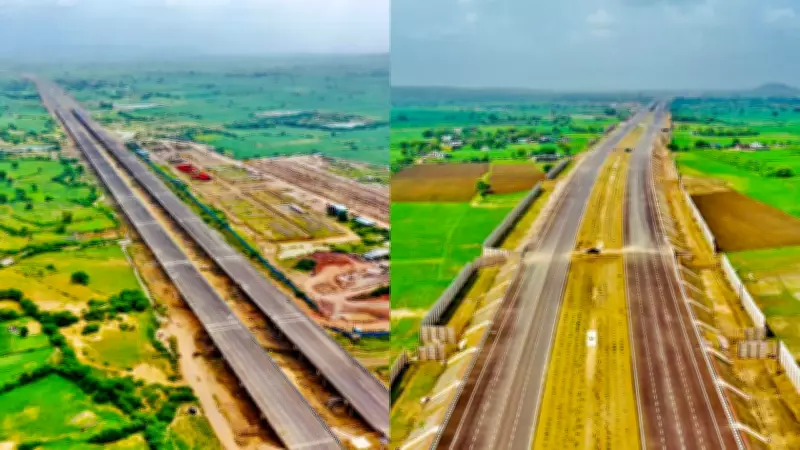
The centerpiece of this initiative is a 3.5-kilometer-long animal overpass system, ingeniously divided into five distinct 500-meter segments. These elevated crossings allow wildlife to traverse above the high-speed expressway completely safely, eliminating exposure to vehicular traffic. Complementing this is a dedicated 1.2-kilometer wildlife underpass, providing an alternative subterranean route for animals. This dual-system approach ensures multiple, secure crossing options tailored to the behaviors of diverse species inhabiting the region.
Restoring Vital Ecological Corridors
The strategic placement and design of these crossings serve a crucial conservation purpose: reconnecting fragmented habitats. The infrastructure effectively links Ranthambore National Park with the Ramgarh Vishdhari Wildlife Sanctuary, Mukundra Hills National Park, and Kuno National Park. This restoration creates a continuous, inter-state wildlife movement corridor, essential for genetic diversity, seasonal migration, and long-term species survival across Rajasthan and Madhya Pradesh.

Innovative Forest-Like Engineering
Engineers have gone to great lengths to ensure the overpasses are inviting and natural for wildlife. The structures are meticulously layered with soil and planted with native vegetation, meticulously replicating the surrounding forest habitat. This design encourages animals to use the crossings instinctively, perceiving them as an extension of their natural environment rather than intimidating human-made constructions. The goal is seamless integration into the landscape.
Comprehensive Safety Measures
Safety for both animals and motorists is paramount. The project incorporates high boundary walls along the expressway to prevent animals from straying onto the roadway. Additionally, specialized sound barriers have been installed to significantly reduce traffic noise pollution, minimizing disturbance to wildlife and lowering the risk of disorientation or panic. These measures drastically reduce the potential for tragic wildlife-vehicle collisions.
Advanced Infrastructure Integration
The engineering marvel extends to the highway itself. The sections of the Delhi–Mumbai Expressway passing beneath the overpasses are covered and illuminated by approximately 1,500 LED lights, ensuring excellent visibility for drivers at all times. This design allows the expressway to operate at full efficiency while passing unobtrusively under the forested crossings, striking a sophisticated balance between modern transportation needs and long-term environmental stewardship.
A Model for Coexistence
This 11.5-kilometer stretch near Ranthambore now stands as a powerful testament to the possibility of coexistence. It demonstrates how fast-moving national infrastructure and sensitive wildlife ecosystems can not only exist side-by-side but can be actively designed to support one another. The project sets a new benchmark for future infrastructure projects in ecologically sensitive zones across India and the world, proving that development and conservation are not mutually exclusive goals.






