

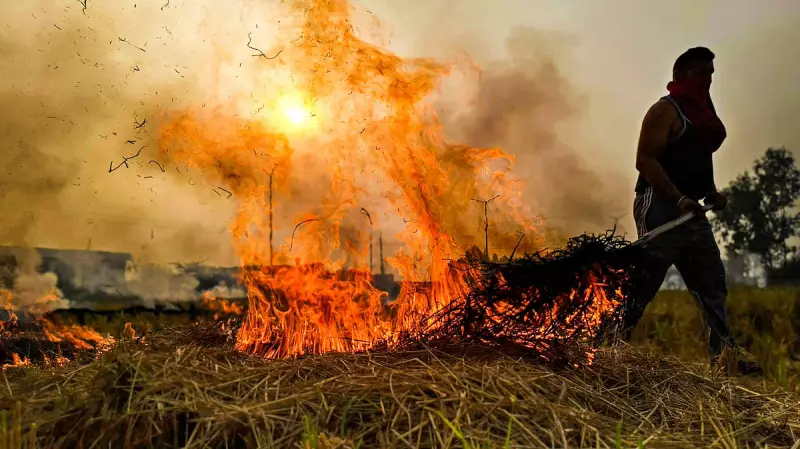
India stands at a dangerous crossroads where the very system that feeds its 1.4 billion people is simultaneously poisoning the nation's future. The agricultural practices that have made the country self-sufficient in food grains are now revealing their devastating environmental costs.
The Poison in Our Soil
Across India's vast farmlands, a silent crisis is unfolding. Excessive use of chemical fertilizers and pesticides has contaminated soil and water resources to alarming levels. What was once hailed as the Green Revolution's success story now shows its dark underbelly - degraded land, depleted groundwater, and toxic residues in our food chain.
Water Resources Under Siege
The agricultural sector consumes nearly 80% of India's freshwater resources, with much of it being used inefficiently. Groundwater levels are plummeting at an unprecedented rate, while rivers and lakes near agricultural areas show dangerous levels of chemical contamination. This water crisis threatens not just farming but drinking water security for millions.

The Climate Change Connection
Current farming practices contribute significantly to greenhouse gas emissions and environmental degradation. From methane emissions from rice paddies to the carbon footprint of synthetic fertilizers, agriculture has become a major contributor to India's environmental challenges.
Searching for Sustainable Solutions
The path forward requires urgent intervention and policy changes:
- Promoting organic farming and integrated pest management
- Investing in water-efficient irrigation technologies
- Supporting crop diversification beyond water-intensive crops
- Developing sustainable alternatives to chemical inputs
- Educating farmers about environmentally friendly practices
The challenge is monumental but not insurmountable. India must transform its agricultural sector to ensure it can continue feeding its people without compromising the health of future generations. The time for action is now, before the environmental debt becomes too large to repay.






