Across India's urban landscapes, a silent crisis continues to unfold as millions of citizens wake up to another day of hazardous air quality. The fundamental right to breathe clean air has become a pressing concern for communities nationwide.
The Growing Environmental Emergency
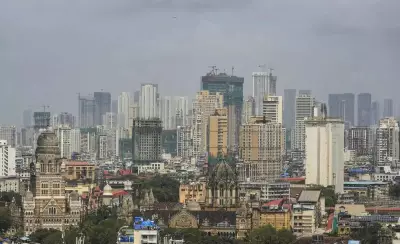
Major metropolitan areas including Delhi, Mumbai, and Kolkata regularly experience air quality indexes that far exceed safe limits. The situation has deteriorated to the point where simply breathing the outdoor air poses significant health risks to residents of all ages.
Children, elderly citizens, and those with pre-existing respiratory conditions face the most severe consequences from prolonged exposure to polluted air. Medical professionals across the country report increasing cases of asthma, bronchitis, and other respiratory illnesses directly linked to air quality deterioration.
Economic and Health Impacts
The economic cost of India's air pollution crisis runs into billions of dollars annually when accounting for healthcare expenses and lost productivity. Workers missing days due to pollution-related illnesses and reduced outdoor economic activities contribute significantly to these financial losses.
Beyond the immediate health concerns, environmental experts warn that long-term exposure to polluted air can lead to chronic health conditions that may not manifest for years. The cumulative effect on public health represents one of the nation's most significant challenges.
Legal Framework and Citizen Rights
The Right to Life under Article 21 of the Indian Constitution has been interpreted by courts to include the right to a healthy environment. However, the implementation of environmental protection laws remains inconsistent across different states and union territories.
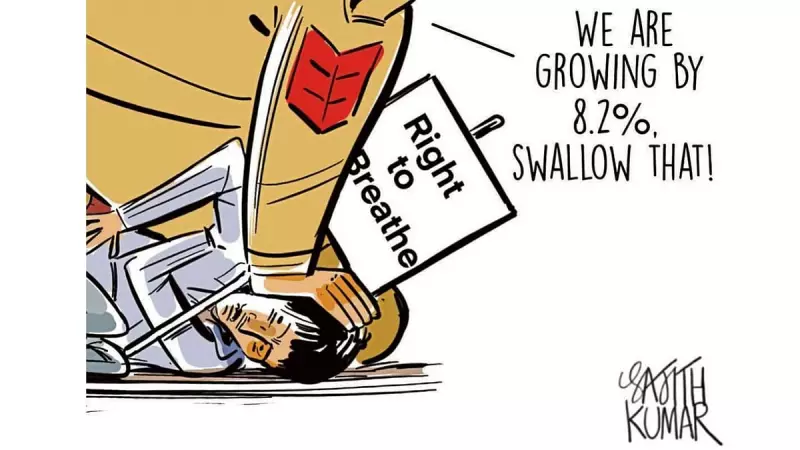
Recent judicial interventions have highlighted the government's responsibility to ensure citizens can exercise their fundamental right to breathe clean air. Environmental activists and concerned citizens continue to push for stronger enforcement of existing regulations and the development of more comprehensive anti-pollution strategies.
The conversation around air quality has shifted from being an environmental concern to a fundamental rights issue, with citizens increasingly demanding accountability from policymakers and industries contributing to pollution levels.