

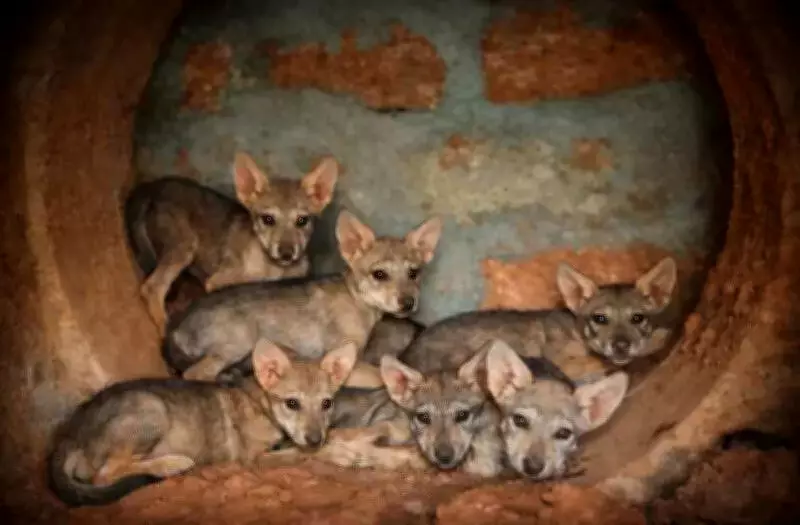
Seven Indian Wolf Pups Thrive at Pilikula Park, Marking Conservation Milestone
In a significant achievement for wildlife conservation, seven Indian wolf pups born at Pilikula Biological Park in Mangaluru are now thriving and have been made available for public viewing. This development marks a major milestone in the park's ongoing efforts to preserve and breed this rare species in captivity.
First Successful Breeding of Indian Wolves at the Park
According to Dr. Arun Kumar Shetty, the in-charge commissioner of the Pilikula Development Authority, the pups were born in January to a female Indian wolf named Geetha. The litter consists of four males and three females, all of which are reported to be in excellent health and displaying normal, active behavior. This event represents the first successful breeding of Indian wolves at the park, where the species has been housed for the past three years as part of a dedicated conservation initiative.
Close Monitoring and Public Display
The mother wolf and her seven offspring are under constant supervision by a team of veterinarians and animal caretakers to ensure their well-being. After three months of careful monitoring, the pups have become sufficiently active and are now moving around freely within their enclosure. As a result, park authorities have decided to release them for public viewing, allowing visitors to witness this rare and encouraging sight firsthand.

Implications for Conservation Efforts
This successful breeding is not just a cause for celebration but also a critical step forward in the park's captive breeding program. Indian wolves are a species of conservation concern, and their reproduction in controlled environments like Pilikula Biological Park helps bolster population numbers and genetic diversity. The healthy development of these pups underscores the effectiveness of the park's management practices and provides valuable insights for future conservation strategies aimed at protecting this iconic species.






