

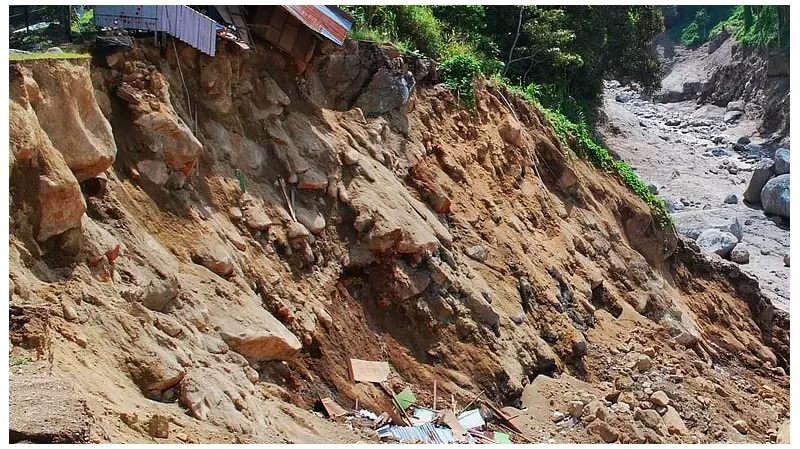
A startling new scientific study has uncovered that approximately 900 square kilometres of urban land across five of India's major metropolitan areas is experiencing significant land subsidence, posing serious threats to infrastructure and urban sustainability.
The Alarming Findings
Research conducted using advanced satellite technology and radar imaging reveals that vast stretches of India's most populated urban centres are gradually sinking. The study, which analysed data from 2022 to 2023, identified Delhi-NCR and Kolkata as the most critically affected regions, with both cities showing rapid subsidence rates that demand immediate attention.
City-by-City Breakdown
The comprehensive analysis covered Delhi-NCR, Kolkata, Mumbai, Chennai, and Bengaluru, painting a concerning picture of urban geological stability. Delhi-NCR emerged as the most vulnerable, with certain areas sinking at an alarming rate of 11 centimetres annually. Kolkata followed closely with subsidence rates reaching up to 8 centimetres per year in the most affected zones.

Underlying Causes
Experts point to multiple factors driving this urban sinking phenomenon. The primary culprits include excessive groundwater extraction, rapid urban development without proper geological assessment, and the natural compaction of soil in areas built on reclaimed land or floodplains. The study emphasizes that uncontrolled construction and inadequate urban planning have exacerbated the situation.
Infrastructure at Risk
The subsidence poses significant threats to critical urban infrastructure, including transportation networks, building foundations, and utility systems. Metro rail lines, airport runways, and major road networks in these cities face potential damage from the shifting ground, which could lead to substantial economic losses and safety concerns.
Call for Action
Researchers urge immediate implementation of sustainable urban planning policies, stricter regulations on groundwater extraction, and comprehensive monitoring systems. The study recommends that city administrations develop specialized subsidence mitigation strategies and incorporate geological risk assessments into all future development projects.
Long-term Implications
Without prompt intervention, the continuing land subsidence could lead to increased flooding risks, structural damage to historical monuments, and compromised public safety. The research team emphasizes that addressing this silent crisis requires coordinated efforts between government agencies, urban planners, and environmental experts.






