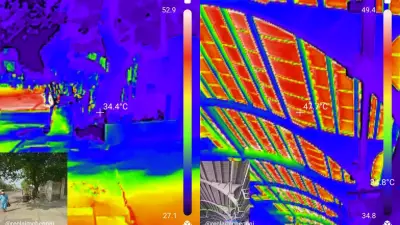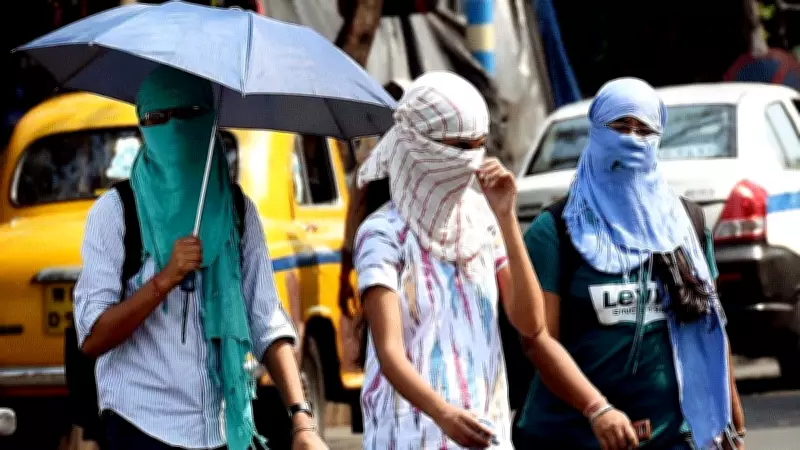
A recent study has warned that the heat and humidity characteristic of India's monsoon season could prolong summer heat stress as the climate continues to warm. The research indicates that long-lasting uncompensable heat stress may pose critical challenges to public health, labour productivity, and climate resilience across the country.
Key Findings of the Study
The study, conducted by a team of climate scientists, analyzed historical weather data and future climate projections. It found that the combination of high temperatures and elevated humidity during the monsoon months could push heat stress levels beyond what the human body can tolerate without cooling measures. This condition, known as uncompensable heat stress, occurs when the body's natural cooling mechanisms, such as sweating, become insufficient to maintain a safe internal temperature.
Impact on Public Health
According to the researchers, prolonged exposure to uncompensable heat stress can lead to heat exhaustion, heat stroke, and even death, especially among vulnerable populations such as the elderly, children, and outdoor workers. The study emphasizes that current public health systems may not be adequately prepared to handle the increased burden of heat-related illnesses during extended periods of high heat and humidity.

Threat to Labour Productivity
The findings also highlight significant economic implications. Workers in sectors such as agriculture, construction, and manufacturing, who often labor outdoors or in non-air-conditioned environments, are particularly at risk. Reduced productivity due to heat stress could lead to substantial economic losses, affecting both individual livelihoods and national output.
Climate Change and Monsoon Dynamics
The study underscores the role of climate change in intensifying monsoon heat and humidity. As global temperatures rise, the atmosphere can hold more moisture, leading to increased humidity during the monsoon season. This, in turn, exacerbates heat stress even if temperatures do not reach extreme levels. The researchers call for urgent adaptation measures to mitigate these impacts.
Recommended Actions
- Developing early warning systems for heat stress events
- Implementing heat action plans in vulnerable regions
- Promoting heat-resilient infrastructure and urban planning
- Enhancing access to cooling technologies and shaded areas
- Raising public awareness about heat stress risks and prevention
The study concludes that addressing the compounded effects of heat and humidity is essential for building climate resilience in India. Without proactive measures, the nation could face escalating health crises and economic setbacks as the climate continues to warm.