Houthis Issue Dire Warning to Gulf States Over Support for US-Israel Military Action
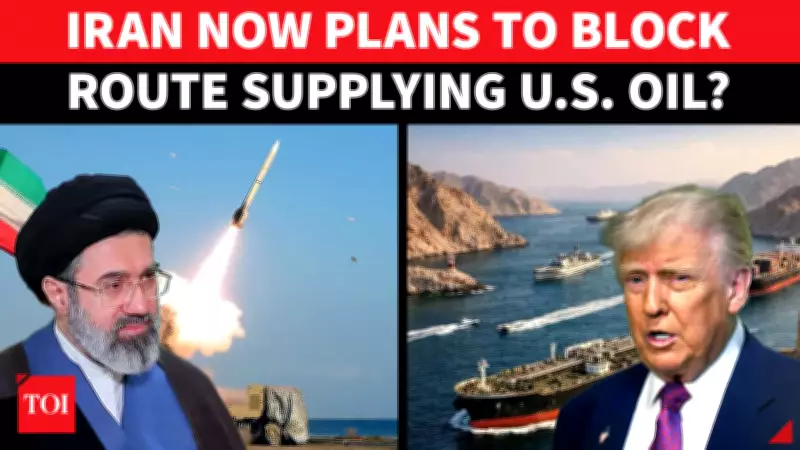
In a dramatic escalation of Middle East tensions, Yemen's Houthi leadership has issued a stark ultimatum to Gulf nations, threatening to shut down the critical Bab el Mandab strait if they support United States and Israeli military operations against Iran. The warning comes amid growing fears of a wider regional conflict that could disrupt global trade and energy routes.
Religious and Strategic Imperative Behind the Threat
A senior Houthi official framed the potential blockade as both a "religious and moral duty" and a strategic response to any Gulf cooperation with what they describe as hostile actions against Iran. The Bab el Mandab strait, often called the "Gate of Tears," serves as a vital maritime chokepoint connecting the Red Sea to the Gulf of Aden, with approximately 10% of global oil shipments passing through these waters annually.
Coordinated Military Actions Intensify Regional Tensions
Meanwhile, Yemeni forces have claimed responsibility for what they describe as a third coordinated missile strike conducted in partnership with Iran and Hezbollah, targeting Israeli military positions. This development signals a dangerous expansion of the conflict beyond traditional battle lines, creating a complex web of alliances and hostilities across the region.

The situation has raised alarm among international observers and economic analysts who warn that any disruption to shipping through Bab el Mandab could have severe consequences for global trade, particularly affecting energy markets and supply chains that rely on this crucial passage.
Broader Implications for Regional Stability
The Houthi warning represents more than just a tactical threat—it underscores the deepening polarization in the Middle East, where regional powers are increasingly drawn into proxy conflicts and strategic confrontations. The potential closure of Bab el Mandab would not only impact Gulf states but could trigger broader economic repercussions worldwide, given the strait's importance for oil shipments from the Persian Gulf to Europe and North America.
As diplomatic efforts struggle to contain the escalating tensions, the situation highlights how localized conflicts can quickly expand to threaten international waterways and global economic stability. The coming days will be crucial in determining whether this warning remains rhetorical or translates into concrete actions that could reshape regional geopolitics and international trade patterns.