The Voice of Hind Rajab: A Film's Moral Quandary in the Face of Gaza's Ongoing Tragedy
In a poignant exploration of art and activism, The Voice of Hind Rajab (2025), directed by Tunisian filmmaker Kaouther Ben Hania, presents a harrowing narrative that forces viewers to confront the brutal realities of the Gaza genocide. This film, which has garnered global attention, including a prolonged standing ovation at the Venice International Film Festival, delves into the tragic story of six-year-old Hind Rajab, whose plea for rescue ended in futility. However, as the film circulates through award seasons and Hollywood backing, it raises profound questions about the efficacy of bearing witness in an era of livestreamed violence and persistent impunity.
The Heart-Wrenching Story of Hind Rajab and Its Cinematic Portrayal
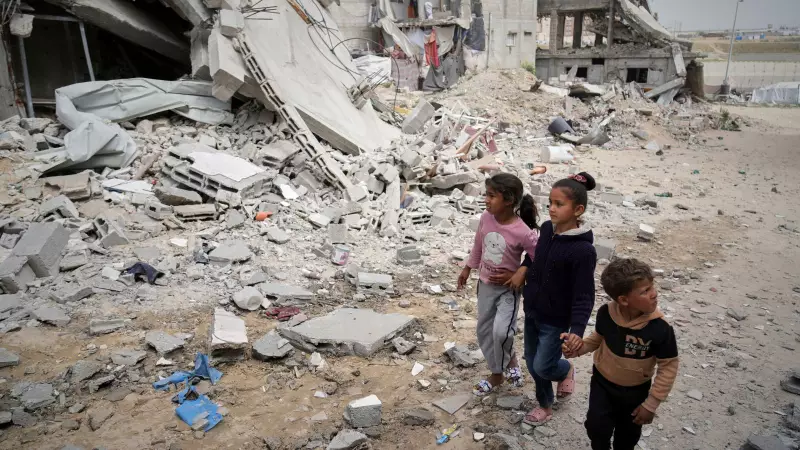
The film is based on real events from January 29, 2024, when the Palestinian Red Crescent received an emergency call from Gaza. Members of the Hammada family were trapped in a car after being hit by an IDF tank while evacuating Gaza City's Tel al-Hawa neighbourhood. With all others dead in relentless firing, Hind's desperate pleas for rescue went unanswered, as Israeli forces later attacked and killed the ambulance medics sent to save her. The Voice of Hind Rajab intersperses actual voice recordings of Hind with dramatizations of rescue attempts, creating a visceral experience that leaves no room for happy endings amidst ongoing genocide.
The Contradiction of Artistic Success Amidst Global Inaction
Co-produced by Tunisia and France and supported by Hollywood figures like Brad Pitt and Joaquin Phoenix, the film has achieved significant acclaim. Yet, this success exists in stark contrast to the continued American military, diplomatic, and financial support for Israeli occupation and assault. The political economy of the film highlights a troubling paradox: a project mourning Palestinian death circulates through structures entangled with ideological and material support for the very conditions that enable that death. As millions starve in a man-made famine, the question arises: what do standing ovations for a beautifully executed, heart-wrenching project actually achieve for Palestinian life and survival?

Bearing Witness vs. Moral Self-Congratulation in Art
Ben Hania describes the film as an act of witnessing, aiming to ensure Hind's voice is heard and not erased. However, this raises critical issues about whether such films can function as effective witnesses while a genocide is ongoing. The logic that awareness through art leads to change seems insufficient when global impunity persists despite widespread livestreaming of atrocities. Hind's story, like those of many other Palestinian men, women, and children, is not a frozen historical event but an ongoing tragedy requiring concrete solidarity through boycotts, protests, and political pressure alongside artistic endeavors.
The Role of Art in Justice: Lessons from Indian Cinema
This is not to dismiss art's potential; recent Indian films such as Santosh on police violence or Homebound and Bison Kaalamaadan on caste discrimination demonstrate how art can be a powerful vehicle for justice. However, bearing witness must not devolve into self-congratulation and complacency, where participation in artistic processes is mistaken for meaningful action. Creators and audiences alike must reflect on whether such projects can transcend symbolic condemnation to actively challenge conditions of inequality and violence, ensuring that art does not become a substitute for tangible change in the face of ongoing humanitarian crises.