The India Meteorological Department (IMD) has issued a concerning forecast for the state of Himachal Pradesh, predicting below-normal rainfall activity until March 2024. This prediction raises significant alarms for the region's water security, agricultural planning, and the overall winter season dynamics.
Details of the IMD Forecast for Himachal
According to the latest seasonal outlook from the meteorological authority, the precipitation levels across Himachal are expected to fall short of the long-term average for the remaining part of the winter period. The forecast specifically covers the months leading up to and including March. This projection is based on the analysis of prevailing large-scale climatic patterns, including factors like sea surface temperatures and atmospheric circulation, which are currently unfavorable for robust winter precipitation in the region.
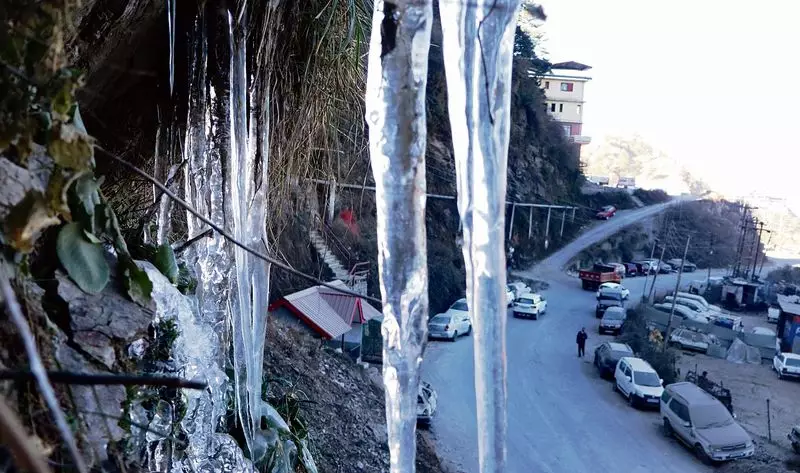
The state has already experienced a significant 72% rainfall deficit in January 2024, as reported by the IMD's regional center. This dry spell in the first month of the year sets a worrying precedent and aligns with the broader forecast for the coming weeks. Such a pronounced shortfall at the peak of winter is unusual and points towards a larger climatic anomaly affecting the Himalayan state.

Potential Impacts on Water and Agriculture
The implications of a prolonged dry spell are multi-faceted and severe. Below-normal winter rainfall, which includes both rain and snow in the higher reaches, directly threatens the replenishment of vital water sources. Rivers, streams, and groundwater aquifers that depend on winter precipitation for recharge may see lower levels, impacting drinking water supply as summer approaches.
Agriculture, a cornerstone of Himachal's economy, faces a dual threat. The scarcity of moisture in the soil can adversely affect winter crops (Rabi season). Furthermore, scanty snowfall in the mountains is a critical concern for horticulture, particularly for apple orchards which rely on consistent winter chill and subsequent snowmelt for irrigation during the growing season. A deficit can affect both the quality and quantity of the fruit harvest.
Broader Concerns and Official Stance
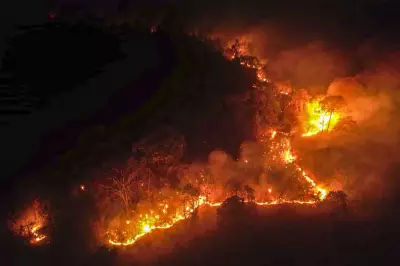
Beyond immediate water and farm concerns, low winter precipitation can have cascading effects. It may lead to an increased risk of forest fires in the drier conditions and could impact the tourism sector, which often thrives on winter sports and scenic snow-covered landscapes. The reduced snowfall might also have long-term environmental consequences for the state's delicate mountain ecosystems.
While the IMD has clearly outlined the forecast for below-normal rainfall, officials have also noted that the situation is being monitored closely. The department has not issued any specific warnings for extreme weather events like cold waves or heavy snowfall disruptions during this period, indicating that the primary concern is the overall deficit in cumulative precipitation. Residents and authorities are advised to plan and utilize water resources judiciously in the face of this forecast.
The coming months will be crucial in determining the full impact of this predicted shortfall. The state government and disaster management authorities will need to keep a close watch on reservoir levels and prepare contingency plans to mitigate the potential effects of a drier-than-usual winter season in Himachal Pradesh.