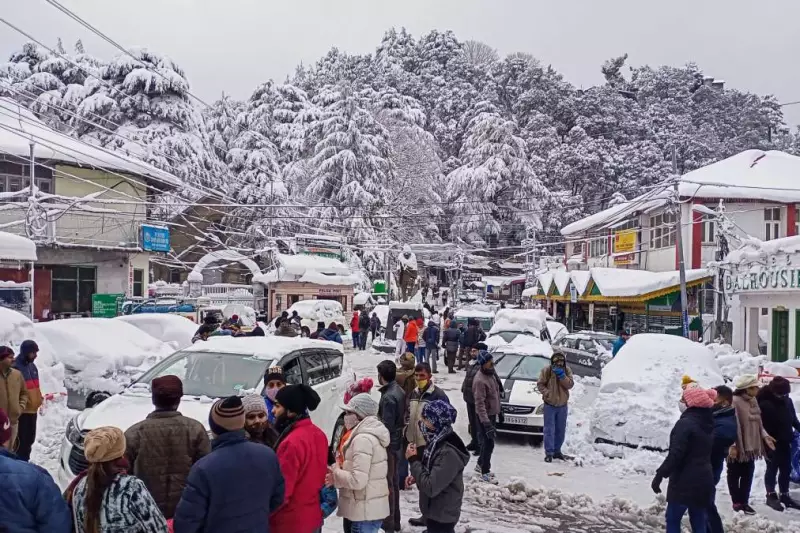
Heavy Snowfall Alert Issued for Jammu and Kashmir
A powerful western disturbance is approaching Jammu and Kashmir. It will bring heavy snowfall across the region. The weather system will peak on January 22 and 23, 2026. Authorities have issued alerts for residents and travelers.
Weather System Details and Impact
The western disturbance is currently moving towards the region. It will intensify over the next few days. Meteorologists predict significant snowfall in many areas. Higher reaches and mountainous zones will see the heaviest snow. This includes places like Gulmarg, Sonamarg, and parts of Srinagar.
Strong winds will accompany the snowfall. This could lead to reduced visibility on roads. Travel disruptions are likely. Flight operations at Srinagar airport might face delays. The Jammu-Srinagar National Highway could also be affected. Authorities advise people to avoid non-essential travel during the peak period.

Preparations and Safety Measures
Local administration is taking proactive steps. They are deploying snow clearance machines in key areas. Emergency services are on high alert. Power and communication lines are being secured to prevent outages. Residents are stocking up on essential supplies like food and medicine.
The government has set up control rooms to monitor the situation. These rooms will coordinate rescue and relief efforts if needed. People can contact them for assistance. Schools in some districts might declare holidays. This decision will depend on the intensity of the snowfall.
Long-term Forecast and Regional Context
This western disturbance is part of a larger weather pattern. It follows a relatively dry spell in the region. The snowfall is expected to improve water levels in rivers and streams. This will benefit agriculture in the coming months. However, the immediate focus is on safety and minimizing disruptions.
Similar weather events have occurred in past years. They often cause temporary challenges but also replenish natural resources. Experts note that climate change might be influencing the frequency of such disturbances. More data is needed to confirm long-term trends.
Residents should stay updated through official weather bulletins. Following safety guidelines will help everyone cope with the situation. The administration is committed to ensuring minimal impact on daily life.