

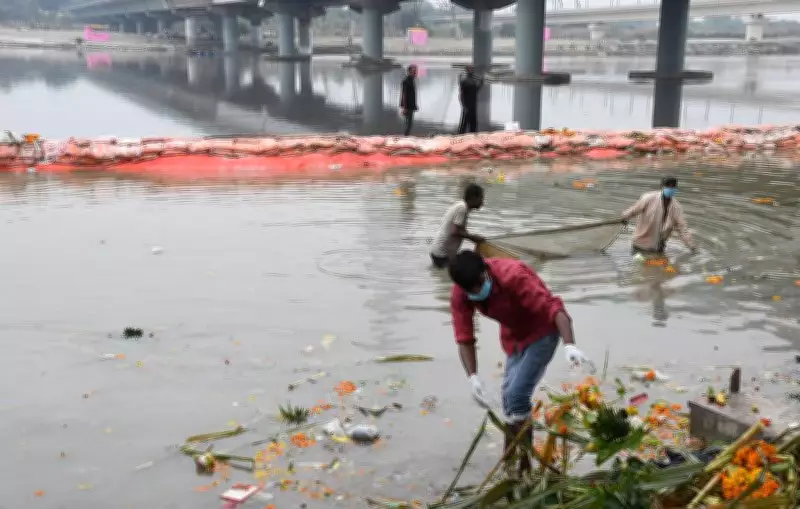
Haryana Government Intensifies Yamuna River Cleanup Efforts with Strict Deadlines
The Haryana government has announced a significant escalation in its efforts to clean the Yamuna River, implementing strict timelines and targeted measures to combat pollution and enhance water quality. This initiative forms a crucial part of broader environmental strategies aimed at addressing long-standing contamination issues in the region.
Comprehensive Action Plan with Defined Milestones
Authorities have outlined a detailed action plan that includes specific deadlines for various cleanup activities. Key components involve the installation of advanced sewage treatment plants, the regulation of industrial discharges, and the promotion of public awareness campaigns to reduce waste dumping into the river. The plan emphasizes accountability and regular monitoring to ensure compliance with environmental standards.
Focus on Pollution Reduction and Water Quality Enhancement
The primary objectives of this drive are to significantly reduce pollutant levels in the Yamuna River and improve its overall water quality. By setting clear targets, the government aims to tackle sources of contamination such as untreated sewage, industrial effluents, and agricultural runoff. This effort is expected to benefit ecosystems and communities reliant on the river for various purposes.

Collaboration and Enforcement Mechanisms
To support the cleanup, Haryana is fostering collaboration between multiple agencies, including environmental departments, local municipalities, and industrial stakeholders. Strict enforcement mechanisms will be put in place, with penalties for non-compliance to deter violations. The initiative also seeks to involve community participation through educational programs and clean-up drives.
Broader Environmental and Health Implications
This cleanup drive holds broader implications for environmental sustainability and public health in Haryana and neighboring areas. Improved water quality in the Yamuna River could lead to reduced health risks associated with waterborne diseases and support biodiversity conservation. The move aligns with national goals for river rejuvenation and sustainable development.
As the Haryana government steps up its efforts, the success of this initiative will depend on effective implementation and sustained commitment from all stakeholders involved.






