

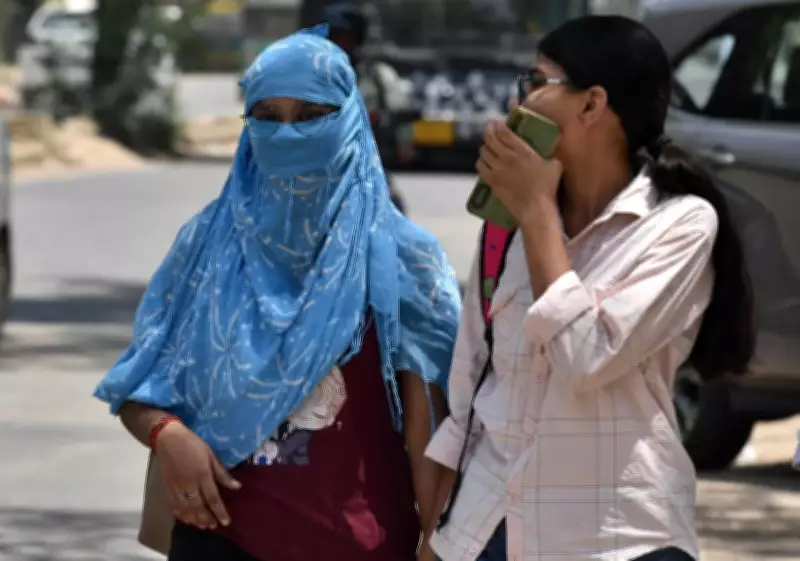
Haryana on High Alert as IMD Predicts Prolonged Heatwave Conditions
The Indian Meteorological Department (IMD) has issued a heatwave watch for several districts in Haryana, with forecasts indicating that the state will experience intense heatwave conditions over the next five days. This alert, initially covering Gurgaon, Faridabad, Rewari, and Mahendragarh from April 20, is set to expand across nearly all districts, placing most areas under a yellow alert from today until April 24.
Temperature Surges and Record Highs
Maximum temperatures in Haryana are already significantly elevated, with departures ranging from 3°C to 5°C above normal levels. Mahendragarh recorded the state's highest maximum temperature at 42°C, which is 4.5 notches above the seasonal average. The minimum temperature in Mahendragarh was 25.7°C, marking a substantial 5.8 notches above normal. Warm night conditions have also been observed in key cities such as Rohtak and Gurgaon, exacerbating the heat stress on residents.
An IMD official stated, "Maximum temperatures in Haryana are already significantly above normal, with departures of 3°C to 5°C. Mahendragarh recorded the state’s highest maximum temperature at 42°C, 4.5 notches above normal, and minimum was 25.7 degrees, which was 5.8 notches above normal. Warm night conditions have also been observed in Rohtak and Gurgaon."

Forecast and Heatwave Definitions
The IMD has forecast a further rise of 3-4°C in maximum temperatures over the coming five days. In Gurgaon, early signs of this trend are evident in night temperatures; the city recorded a minimum temperature of 22°C on Monday, which is 3.3 degrees above normal, while the maximum temperature reached 40°C, also 3.3 notches above normal.
According to IMD criteria, a heatwave is declared when the maximum temperature exceeds 40 degrees Celsius and is at least 4.5 notches above the average temperature for the season. When the maximum temperature rises more than 6.4 degrees Celsius above the average, it is labeled as a severe heatwave. Officials warn that the combination of high daytime temperatures and elevated night temperatures increases heat stress significantly, as the body does not get sufficient time to cool down overnight.
Health Risks and Advisory Measures
The impact of this sustained heatwave is expected to be more severe for vulnerable groups, including children, the elderly, and individuals with chronic illnesses. Authorities have issued advisories urging residents to take precautions to mitigate health risks.
- Avoid prolonged exposure to direct sunlight, especially during peak hours.
- Stay hydrated by drinking plenty of water throughout the day.
- Wear light, breathable cotton clothing to help regulate body temperature.
- Cover the head while outdoors to protect against heatstroke.
For farmers, the IMD advises carrying out irrigation activities during early morning or evening hours to reduce heat stress on crops, which can be adversely affected by extreme temperatures.
Sustained Conditions and Broader Implications
With temperatures rising steadily and nights remaining warm, Haryana is likely to see sustained heatwave conditions throughout the week. This prolonged period of high heat poses challenges for public health, agriculture, and daily activities. Residents are encouraged to monitor updates from the IMD and follow safety guidelines to cope with the extreme weather.
The situation underscores the importance of preparedness and adaptive measures in the face of increasing climate variability, as heatwaves become more frequent and intense in the region.






