

Gurgaon's Pioneering Urban Forest on the Brink of Destruction
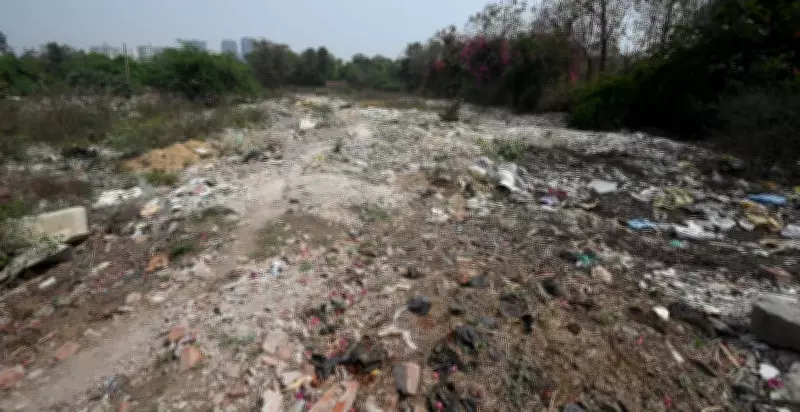
Gurgaon's inaugural urban forest, the Ghata Nagar Van, is teetering on the edge of collapse, with rampant construction and demolition waste dumping and large-scale encroachment threatening its very existence. Launched in early 2024 as a green lung for the city, this 40-acre project was funded by the Union Ministry of Environment, Forest and Climate Change at a cost of approximately Rs 2 crore, including Rs 1.5 crore allocated for fencing.
Boundary Breaches and Unchecked Dumping
A recent visit to the site revealed mounds of debris scattered across the land and multiple unauthorised access points. Several stretches of the boundary wall have either collapsed or been removed, enabling squatters to infiltrate and vehicles to dump debris without restraint. Residents like Ashok Sharma from Sector 57 expressed alarm, stating, "The wall is completely open at several points. Trucks dump construction waste almost daily, and trees are being chopped. If this continues, the entire project will be destroyed."
Ecological Impact and Biodiversity Loss
The forest was designed as a biodiversity hub to conserve native Aravali species, medicinal plants, and fruit-bearing trees, while also reviving the flora and fauna around Ghata Jheel—a natural waterbody now reduced to a marshy, muck-filled pond. Unauthorised access has facilitated illegal activities such as tree felling and timber extraction, leading to a decline in wildlife populations, including jackals, wild boars, and rabbits.

Environmental activist Vaishali Rana warned that debris dumping poses significant risks. "C&D waste dumping is a hazard for walkers and cyclists and blocks natural rainwater flow into the forest, affecting groundwater recharge and plant regeneration," she explained. "It is destroying what little green space the city has left."
Official Response and Enforcement Challenges
A forest department official acknowledged the issue, noting that a team will investigate the boundary wall's condition and the dumping activities. Patrolling will be increased, with enforcement methods dependent on the scale of encroachment. However, experts like ecologist Sunil Harsana highlight a broader struggle between urbanisation and conservation. "This forest was meant to be a model for urban green spaces across Haryana, but its neglect raises serious questions about the state's ability to sustain such projects," he said.
Infrastructure Deficiencies and Local Demands
The dumping problem is exacerbated by Gurgaon's inadequate waste-processing infrastructure. The city has only one C&D waste treatment plant in Basai, with a capacity of 300 metric tonnes per day—far below the daily debris generation. Locals, including Mukesh Yadav from Sector 57, have demanded immediate repairs to the boundary wall, deployment of security personnel, and installation of CCTV cameras to prevent trespassing. "Crores were spent on this forest, but without protection, it's all going waste," Yadav asserted. "Authorities must fix accountability before it's too late."
Future Plans Amid Uncertainty
Despite plans to develop water bodies, ensure year-round drinking water for wildlife, and create grasslands for feeding and breeding, the forest department's efforts are overshadowed by ongoing dumping and encroachment. As Gurgaon grapples with rising pollution and vanishing green spaces, the future of its first Nagar Van remains precarious, symbolising the urgent need for stronger conservation measures in urban areas.






