In a surprising move that speaks to the power of perception, the vast, ice-covered island of Greenland is actively trying to shed a part of its global identity. The world's largest island, known for its Arctic glaciers and polar bears, is confronting what experts call an "identity crisis." The core of the issue? The very label "Arctic" that has defined it for centuries is now seen as a barrier to its economic and political ambitions.
The Problem with the Polar Image
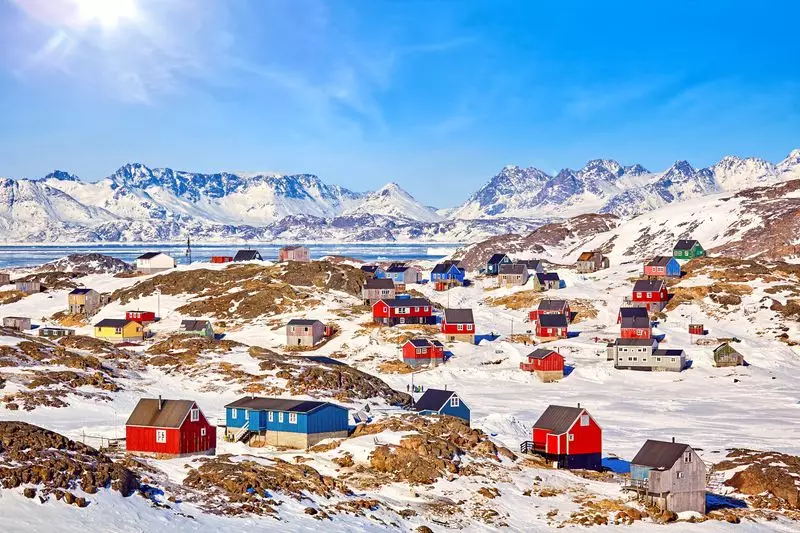
For most people, the term "Arctic" conjures images of a remote, frozen, and inhospitable frontier. This perception, while geographically accurate in parts, is causing significant problems for Greenland's government. Officials argue that the Arctic tag discourages crucial foreign investment and makes it exceedingly difficult to attract skilled professionals and tourists. Who wants to move their business or plan a holiday to a place synonymous with perpetual ice and extreme cold?
This rebranding effort is not merely about marketing. It is a calculated geopolitical and economic strategy. Greenland, an autonomous territory within the Kingdom of Denmark, aspires for greater independence. Achieving this goal requires a robust, diversified economy less reliant on Danish subsidies. By distancing itself from the harsh Arctic stereotype, Greenland aims to present itself as a land of opportunity—rich in minerals, ripe for sustainable development, and open for business and adventure beyond the icy clichés.

A Strategic Shift Amidst Climate Change
The irony of this identity pivot is that it is happening precisely when the Arctic is at the center of global attention due to climate change. As sea ice melts, new shipping routes are opening, and access to untapped natural resources is becoming feasible. This has triggered a new "Great Game" among global powers like the United States, China, and Russia, all vying for influence in the region.
Yet, Greenland is walking a tightrope. It wants to benefit from the strategic and economic interest in the Arctic region while decoupling its national image from it. The government fears that being pigeonholed as an "Arctic nation" limits its international partnerships and frames its development solely through a climate change or polar lens, rather than as a modern, forward-looking society.
Tourism and the Search for a New Narrative
Nowhere is this rebranding more evident than in the tourism sector. Promotional materials are undergoing a significant shift. The focus is moving away from icebergs and dog sleds to highlight Greenland's midnight sun, vibrant Inuit culture, hiking trails, and warm summer fjords. The goal is to attract visitors year-round, not just those seeking a classic polar expedition.
This new narrative emphasizes "adventure" and "culture" over "extreme" and "frozen." It's a delicate balance to acknowledge the stunning icy landscapes that are a major draw while convincing the world that Greenland offers much more. The success of this strategy is critical, as tourism is a key sector for economic growth and creating jobs outside the capital, Nuuk.
The journey to redefine a nation's identity is complex and long-term. Greenland's attempt to soften its Arctic image is a fascinating case study in how geography, climate politics, and economic ambition collide. It underscores a universal truth: in a globalized world, how a country is perceived can be just as important as its natural resources or location. Whether Greenland can successfully warm up its global image, while the literal warming of its climate continues, remains one of the most intriguing geopolitical stories of our time.