Greece Implements Social Media Ban for Children Under 15, Aligning with Global Trends
In a significant move to address youth mental health issues, Greece has officially announced a ban on social media access for children under the age of 15. This decision places Greece among a growing list of countries, including Australia, Denmark, and Indonesia, that have either imposed complete bans or strict restrictions on popular platforms such as TikTok, Instagram, and Facebook. The new regulation is scheduled to take effect on January 1, 2027, marking a proactive step in digital governance.
Prime Minister Cites Parental Concerns and Addictive App Designs
Prime Minister Kyriakos Mitsotakis revealed the policy, emphasizing the detrimental effects of modern social media apps on young minds. According to a Reuters report, Mitsotakis highlighted the addictive nature of these platforms and their severe impact on mental well-being. He noted that the ban was heavily influenced by discussions with parents, who reported widespread issues among their children, including increased anxiety, poor sleep patterns, and excessive screen time.
In a direct video message to youth, Mitsotakis explained that the initiative aims to combat rising anxiety and sleep deprivation. He pointed out that prolonged screen exposure prevents mental rest and subjects children to intense pressure from online comments and constant social comparisons, underscoring the need for protective measures.

Following Australia's Lead in Global Crackdown
This announcement is part of a broader series of actions by the Greek government to regulate digital access for minors. Previous measures include banning mobile phones in classrooms and launching parental control platforms to limit teenage screen time. Mitsotakis stated, "Greece will be among the first countries to take such an initiative. I am certain, however, that it will not be the last," signaling a potential wave of similar policies worldwide.
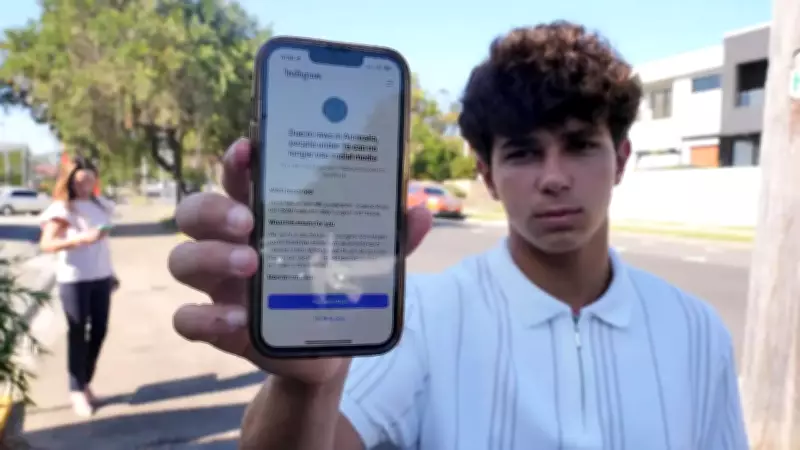
Greece's decision follows Australia's landmark move in December, which became the first country to ban social media for children under 16. Australia's law blocks access to major platforms like TikTok, YouTube, Instagram, and Facebook, setting a precedent for other nations to consider stricter regulations.
Tech Giants Advocate for Alternatives to Outright Bans
Major technology companies, including Meta, Snapchat, and TikTok, have responded to these bans by arguing that outright restrictions are not the optimal solution for protecting young users. They emphasize the importance of balanced approaches, such as enhanced safety features and educational initiatives. Despite their reservations, these firms have committed to complying with Australia's new laws, indicating a willingness to adapt to evolving regulatory landscapes.
Meanwhile, other countries are actively exploring similar measures. Nations like the United Kingdom, France, Denmark, Poland, and Malaysia are either considering or drafting their own social media bans for minors, reflecting a global shift towards stricter digital oversight for youth protection.
This development underscores a growing international consensus on the need to address the mental health risks associated with social media use among children, as governments and tech companies navigate the complexities of digital safety and regulation.