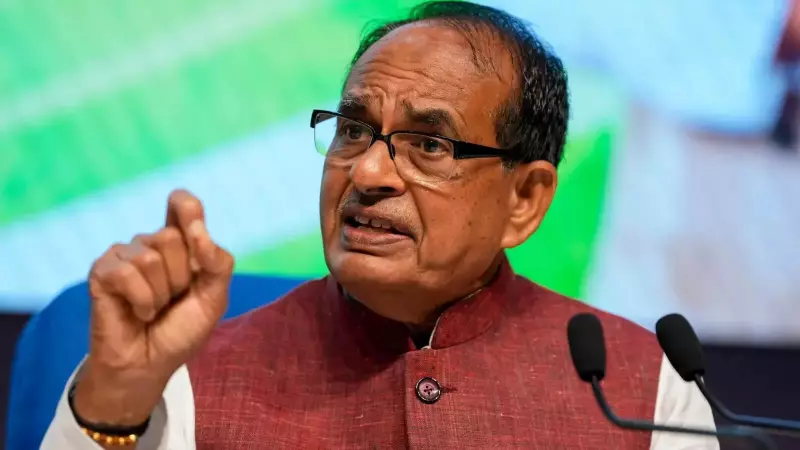
In a significant push to modernize Indian agriculture, Union Agriculture Minister Shivraj Singh Chouhan unveiled a total of 184 new crop varieties on Sunday. This major release aims to tackle multiple challenges faced by farmers, including the need for higher productivity, reduced cultivation costs, and building resilience against the impacts of climate change.
A Diverse Basket for Enhanced Productivity
The newly introduced varieties span across 25 different crops, offering a wide array of options for the farming community. The list is dominated by 122 new varieties of cereal crops, which form the backbone of India's food security. This includes 60 varieties of rice, 50 of maize, four of sorghum, five of pearl millet, and one each of ragi, small millet, and proso millet.
Notably, more than 50% of these new cereal varieties, precisely 62, belong to the coarse grains or nutri-cereals category. This strategic focus aligns with the government's plan to promote climate-resilient and nutrition-rich crops that require less water and can withstand erratic weather patterns.

Bt Cotton Gets an Upgrade and Focus on Oilseeds
A key highlight of the release is the inclusion of 22 new varieties of Bt cotton. As the only genetically modified crop approved for commercial cultivation in India, these new versions are transgenic upgrades designed to deliver a dual benefit. They are expected to not only increase yield but also provide better protection against pests, insects, and weeds, thereby reducing the overall input cost for cotton farmers.
Alongside cotton and cereals, the release also features 13 new varieties of oilseeds, addressing the country's long-standing dependence on imports for edible oils. The remaining varieties cover other essential crop categories, creating a comprehensive package for the agricultural sector.
Collaborative Development and Future Roadmap
The development of these 184 varieties is a testament to a successful tripartite collaboration. The sources are evenly split between Indian Council of Agricultural Research (ICAR) institutions (60 varieties), state and central agricultural universities (62 varieties), and private seed companies (62 varieties).
Minister Chouhan emphasized that these new seeds will reach farmers for commercial cultivation within the next three years. He used the occasion to highlight India's remarkable agricultural journey, transforming from a food-deficit nation to a global food provider. He pointed out that India's rice production has now reached 150 million tonnes, surpassing China's production of 145 million tonnes. "This has also strengthened India's role as the world's food supplier," he stated.
This large-scale release of scientifically developed crop varieties marks a crucial step towards sustainable and profitable farming in India. By offering seeds that promise higher output with lower costs and greater environmental stress tolerance, the initiative seeks to empower farmers and secure the nation's food and nutritional needs in the face of a changing climate.