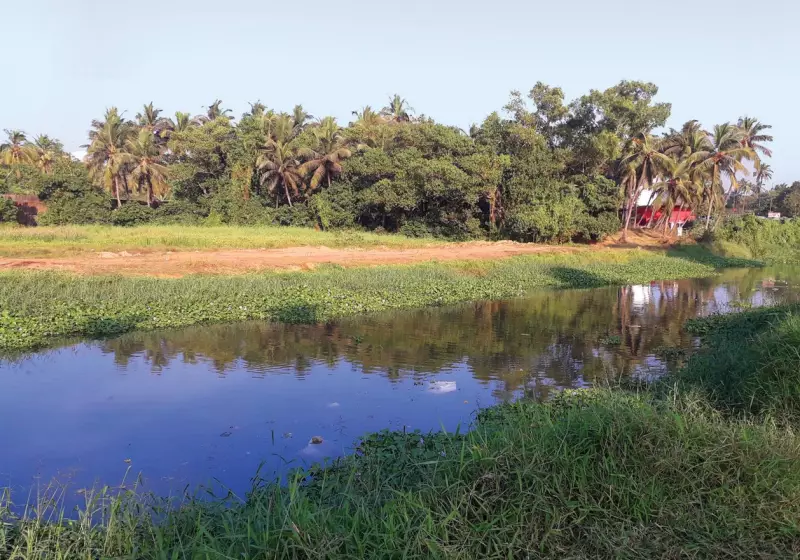
A recent scientific investigation into the plant life along Goa's vital Zuari and Sal rivers has delivered a stark warning. The study, conducted by local researchers, concludes that long-term human pressures have significantly degraded the floral richness of these riverbanks, pushing the ecosystems away from their natural state.
Key Findings: Pollution and Disturbance Reshape Riverbanks
The research team, led by principal investigator Celly Quadros with researcher Venecha Carvalho and guided by Krishnan Sellappan, identified a direct link between human activity and ecological decline. They documented increased water turbidity and high nutrient loads, primarily caused by unchecked sewage discharge, rampant construction, and aquaculture operations.
This pollution has triggered a biological shift. The study notes a marked dominance of disturbance-tolerant plant species, while the absence of other native species signals deteriorating soil and water quality in both river systems. "Construction along the riverbanks, plastic waste choking water channels, and indiscriminate dumping of solid waste and untreated effluents directly into the river contributed to the deterioration," explained Quadros.

The spread of invasive or pollution-tolerant plants reveals how disturbed environments reshape biological communities, she added, highlighting the profound human footprint.
Mangroves Under Threat: Vital Shields at Risk
The report underscores the critical, protective role played by mangrove forests along both estuaries. Species from the genera Avicennia, Rhizophora, and Acanthus thrive here, stabilising shorelines and providing crucial breeding grounds for fish, crabs, and birds. These mangroves offer critical protection to coastal villages from tidal surges and help maintain fish populations that local communities depend on for livelihood.
However, these vital buffers are under increasing strain. The Zuari estuary's dense mangrove forests, particularly around Cortalim, Borim, and Panchwadi, which control coastal erosion during monsoons, face pollution from nearby activities. The situation is particularly acute along the Sal river, where proximity to tourist-heavy areas like Cavelossim and Benaulim has intensified human interference, making these mangroves more vulnerable to degradation.
Call for Action: Stricter Regulation and Community Measures
The researchers point to rapid urbanization in cities like Margao along the Sal, and shipbuilding and industrial activities along the Zuari, as major pollution sources. These activities funnel untreated sewage, household waste, and industrial effluents directly into the rivers.
In response to these findings, the study advocates for urgent interventions. Stricter regulation of riverside construction, implementation of proper waste management systems, and community-based conservation measures are deemed essential. "By showing what currently exists and what is at risk, our study... envisions benefits not only for the scientific community but for the rivers themselves," Quadros stated, framing the work as a call to protect Goa's precious aquatic lifelines from further ecological imbalance.