

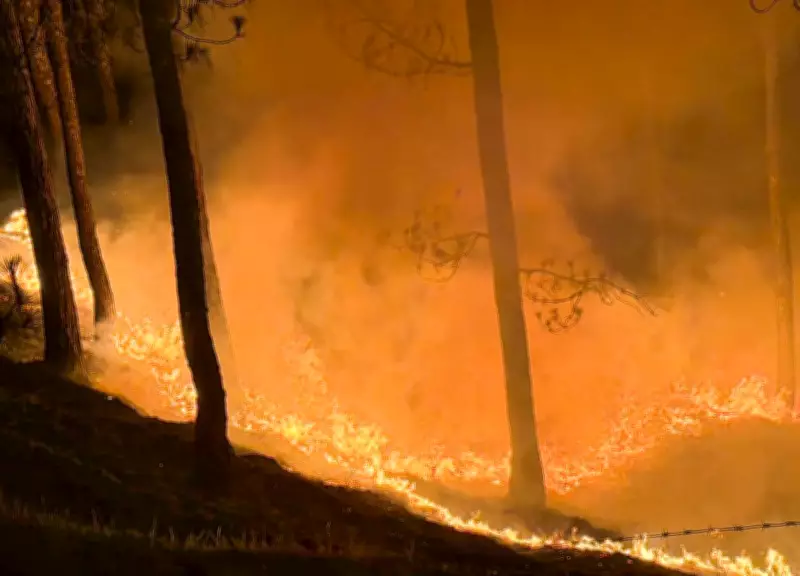
The Goa forest department is preparing for what officials warn could be an intense and prolonged forest fire period next year, driven by the expected impact of El Nino and rising global temperatures. This comes even as the state records a sharp improvement in fire response and prevention this year through coordinated surveillance and community-based alert systems.
El Nino's Impact on Fire Season
According to a senior forest official, El Nino is a global climatic phenomenon that leads to rising sea temperatures, increased cyclones, and worsening heat conditions. The official stated, 'Next year will be very difficult as prolonged heat conditions could begin as early as September and continue until March or beyond, affecting not only Goa but all of India. Forest fire incidents will rise.'
Climate scientist and associate professor at BITS Goa, Rajiv Kumar Chaturvedi, explained that El Nino conditions began to set in around March-April and are currently intensifying. He noted, 'Ongoing intensification of El Nino is fuelling heatwaves. Models project further intensification from September to December. A drier, hotter fire season on the back of a deficit monsoon is a significant risk from the forest fire perspective. Goa must prepare for this scenario well in advance.'

Risk of Super El Nino
Chaturvedi expressed particular concern about the possibility of the current El Nino evolving into a super El Nino. He recalled, 'India has witnessed a couple of super El Ninos in 2016 and in 1998. A super El Nino today will have far more devastating effects, but even a strong El Nino will have serious implications for food production, health, power consumption, drinking water availability, forest fires, wildlife and even the wider economy.'
The forest department's preparations include enhanced surveillance and community engagement, building on the success of this year's improved response. Officials emphasize the need for proactive measures to mitigate the anticipated risks.






