France Dismisses Russian Nuclear Transfer Claims to Ukraine as Baseless
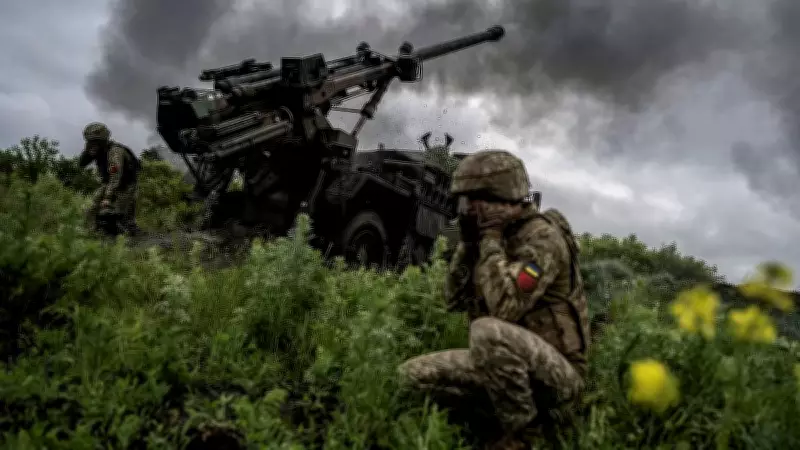
In a statement released on the fourth anniversary of the ongoing conflict, France has categorically rejected claims made by Russia's SVR foreign intelligence service regarding nuclear transfers to Ukraine. The French government described these allegations as completely unfounded, escalating diplomatic tensions between the nations.
Russian Intelligence Allegations
The SVR's statement, published on February 26, 2026, asserted that Britain and France believed Ukraine could secure more favorable terms in negotiations if it possessed nuclear capabilities. Specifically, the Russian intelligence service claimed that Western nations were supporting Ukraine in developing "a nuclear bomb, or at least a so-called 'dirty bomb'".
This accusation comes at a critical juncture, marking four years since the outbreak of hostilities, and reflects the deepening mistrust in international relations. The SVR's claims suggest a deliberate effort to portray Western allies as destabilizing actors in the region.

France's Firm Rebuttal
In response, French officials have issued a strong denial, emphasizing their commitment to non-proliferation and diplomatic resolutions. The French statement highlighted:
- The allegations are baseless and lack credible evidence.
- France adheres strictly to international treaties on nuclear disarmament.
- Such claims risk inflaming tensions and undermining peace efforts.
This rebuttal underscores France's stance as a mediator in the conflict, aiming to de-escalate rhetoric and focus on humanitarian and political solutions. The timing of the SVR's statement, on the war's anniversary, is seen by analysts as a strategic move to shift blame and justify Russian actions.
Broader Implications for Global Security
The exchange highlights the volatile nature of nuclear discourse in modern conflicts. Key points include:
- Increased Diplomatic Strain: The allegations have strained relations between Russia and Western powers, complicating already fragile negotiations.
- Risk of Escalation: Accusations involving nuclear weapons raise the stakes, potentially leading to heightened military posturing.
- Impact on Ukraine: Ukraine, caught in the crossfire, faces renewed scrutiny and pressure, despite denying any nuclear ambitions.
Experts warn that such claims, if left unchecked, could erode trust in international institutions and hinder progress toward a ceasefire. The situation remains fluid, with global leaders calling for restraint and verified facts over sensational allegations.
As the war enters its fifth year, the focus shifts to how such intelligence disputes will affect future diplomatic engagements and the pursuit of a lasting peace in the region.