Four Migrants Perish in English Channel Boat Sinking, Dozens Rescued
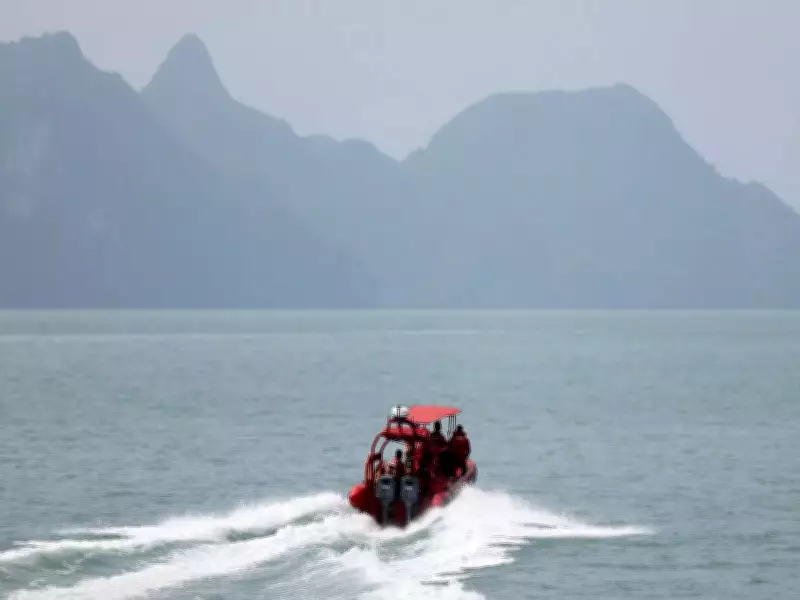
French maritime authorities confirmed on Thursday that four individuals lost their lives after a small vessel carrying migrants capsized in the treacherous waters of the English Channel. The tragic incident occurred off the northern coast of Boulogne, near the stretch between Équihen-Plage and Hardelot-Plage, where powerful currents posed significant hazards.
Details of the Rescue Operation and Victims
According to local officials, the victims included two men and two women who were swept away while attempting to board a small inflatable dinghy described as a "taxi boat." This type of vessel is commonly utilized by sophisticated people-smuggling networks to collect migrants from various points along the French and Belgian coastlines. At least 42 other migrants were successfully rescued from the perilous situation.
Emergency responders provided immediate care to dozens of survivors, with one individual receiving treatment for severe hypothermia. The rescue efforts underscored the extreme dangers faced by those attempting the crossing, which has become increasingly hazardous due to evolving smuggling tactics and challenging maritime conditions.

Escalating Risks in Channel Crossings
This fatal event highlights the growing perils associated with English Channel crossings, one of the world's busiest and most dangerous shipping lanes. Just one day prior to this tragedy, more than 100 migrants required rescue after encountering difficulties during similar journeys. The frequency and severity of such incidents have raised alarms among humanitarian organizations and government agencies alike.
Officials note that traffickers are increasingly adopting "taxi-boat" methods, which involve collecting migrants from multiple coastal locations rather than launching from a single point. Some journeys are now believed to originate in Belgium before progressing along the northern French coastline. This evolving tactic not only complicates law enforcement efforts but also significantly heightens risks for vulnerable individuals attempting the crossing.
Rising Death Toll and Humanitarian Concerns
The latest fatalities contribute to a mounting death toll linked to Channel crossings this year. Earlier in April, two people died in a separate incident, emphasizing the persistent dangers. Aid organizations, including the Refugee Council, argue that many migrants are driven by desperation, fleeing conflict and persecution with limited safe alternatives to reach the United Kingdom.
Humanitarian groups such as the British Red Cross have urgently called for the expansion of safe and legal migration routes. They warn that without such measures, dangerous crossings will inevitably continue, putting more lives at risk. The lack of accessible alternatives forces individuals into the hands of criminal smuggling networks, exacerbating the humanitarian crisis.
Government Responses and Ongoing Negotiations
A UK government spokesperson described the deaths as "a stark reminder of the dangers posed by criminal gangs exploiting vulnerable people." Authorities in both the UK and France are engaged in continuous talks to establish a new agreement aimed at curbing small-boat crossings, following the expiration of a previous deal at the end of March.
Statistical data reveals the scale of the issue: more than 5,000 migrants have crossed the Channel so far this year, building upon approximately 41,500 crossings recorded in 2025. This persistent flow underscores the urgent need for comprehensive strategies addressing both enforcement and humanitarian aspects of migration across the English Channel.