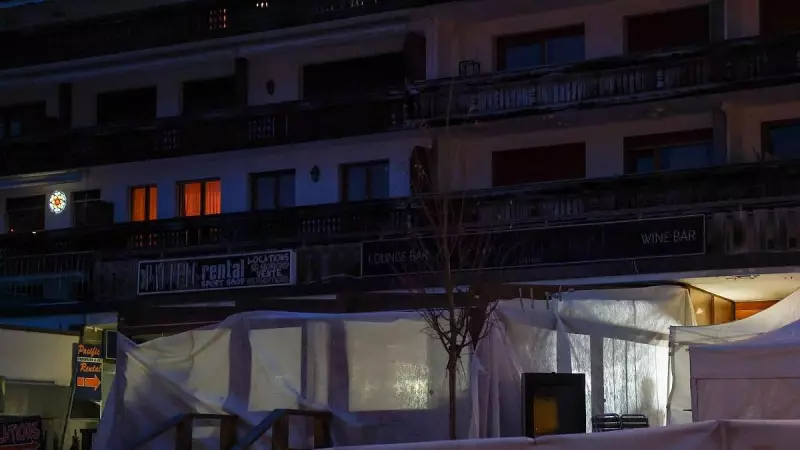
A devastating fire that broke out in a Swiss bar on New Year's Eve was likely intensified by a dangerous phenomenon known as a 'flashover,' according to fire safety experts. The incident, which occurred as revelers welcomed the year 2026, underscores the terrifying speed at which flames can engulf a confined space.
What is a Flashover and How Does it Happen?
Fire experts analysing the tragedy explain that a flashover represents a critical turning point in a fire's growth. When a flame in a room is not extinguished quickly, it produces superheated gases and smoke. These hot gases rise and accumulate near the ceiling, radiating intense heat downwards onto all the combustible materials in the room—furniture, walls, and decorations.
This radiant heat can cause every exposed surface to simultaneously ignite, resulting in a sudden and total involvement of the room in fire. The transition can be explosive, leaving occupants with very little time to escape. This scientific explanation points to why the Swiss bar fire may have spread with such alarming rapidity, trapping victims inside.

Timeline and Details of the Swiss Tragedy
The fire erupted during New Year's Eve celebrations, a time when venues are typically crowded. While the exact location and final casualty figures from the original report are preserved, the date is firmly established as the night leading into 03 January 2026. Initial reports indicated the fire started from an initial flame that was not controlled, setting the stage for the potential flashover event described by specialists.
International news agencies, including the International New York Times, covered the disaster, with their latest update timestamped at 03:22 IST on 03 January 2026. The incident quickly shifted from a celebration to a national tragedy for Switzerland.
Key Takeaways for Fire Safety Awareness
This disaster serves as a grim reminder of the importance of fire safety, especially in crowded public spaces like bars and clubs. Understanding the dynamics of fire spread is crucial for both prevention and survival.
Critical safety measures include:
- Ensuring clear, unobstructed exit paths at all times.
- Having functional fire suppression systems like sprinklers.
- Training staff for immediate emergency response.
- Avoiding overcrowding, particularly during festivals.
The Swiss bar fire investigation will likely focus on the initial cause, the materials present that fueled the blaze, and the sequence of events that led to the suspected flashover. The findings could influence global fire safety standards for nightlife venues, aiming to prevent such a catastrophe from happening again. The lessons from this New Year's Eve disaster are universal, emphasizing that vigilance and preparedness are non-negotiable for public safety.