

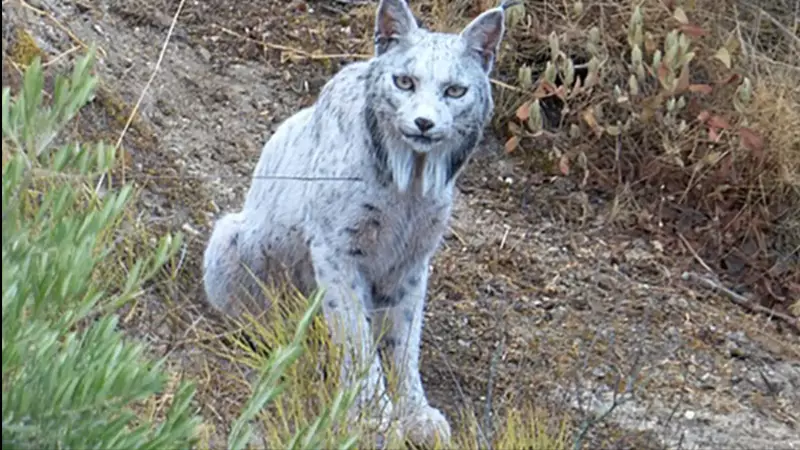
In a breathtaking wildlife breakthrough that has electrified the conservation community, researchers have documented the first-ever sighting of a rare white Iberian lynx in southern Spain. The extraordinary discovery was captured on camera in the Sierra de Andújar natural area of Andalusia, sending ripples of excitement through environmental circles worldwide.
The stunning feline, distinguished by its unique pale coat, represents an unprecedented phenomenon in the species' recorded history. Unlike its typically spotted counterparts, this magnificent creature displays a striking white coloration that sets it apart as a truly exceptional specimen.
A Conservation Miracle in the Making
This remarkable sighting carries profound significance for the Iberian lynx conservation program, which has been battling to pull the species back from the brink of extinction. Just two decades ago, the Iberian lynx population had dwindled to fewer than 100 individuals, making it the world's most endangered cat species.

The appearance of this rare white lynx serves as a powerful testament to the success of ongoing conservation efforts. Through dedicated breeding programs and habitat restoration initiatives, the population has rebounded to approximately 2,000 individuals today – a conservation victory story that continues to inspire.
Genetic Marvel or Environmental Adaptation?
Wildlife experts are carefully analyzing this unprecedented discovery. The white coloration likely results from a genetic condition called leucism, which causes partial loss of pigmentation. Unlike albinism, animals with leucism typically retain some pigment in their eyes, and this appears to be the case with the newly spotted lynx.
Researchers emphasize that this rare coloration doesn't appear to hinder the animal's survival capabilities. The footage shows the lynx moving with the same grace and confidence as its normally-colored relatives, successfully navigating its natural habitat and demonstrating normal hunting behaviors.
What This Means for Future Conservation
The discovery of the white Iberian lynx opens new avenues for genetic research and conservation strategy. Scientists are particularly interested in understanding how this rare genetic variation might contribute to the species' overall genetic diversity and resilience.
This historic sighting reinforces the importance of continued conservation efforts and habitat protection throughout the Iberian Peninsula. It serves as a vivid reminder that nature continues to surprise us, even as we work to protect and understand it.
As conservationists continue to monitor this extraordinary animal, the world watches with renewed appreciation for the mysteries and marvels of wildlife conservation. The white Iberian lynx stands not just as a rare genetic wonder, but as a symbol of hope for endangered species everywhere.






