European Leaders Gather in Kyiv to Mark Four Years of Russia's Full-Scale Invasion
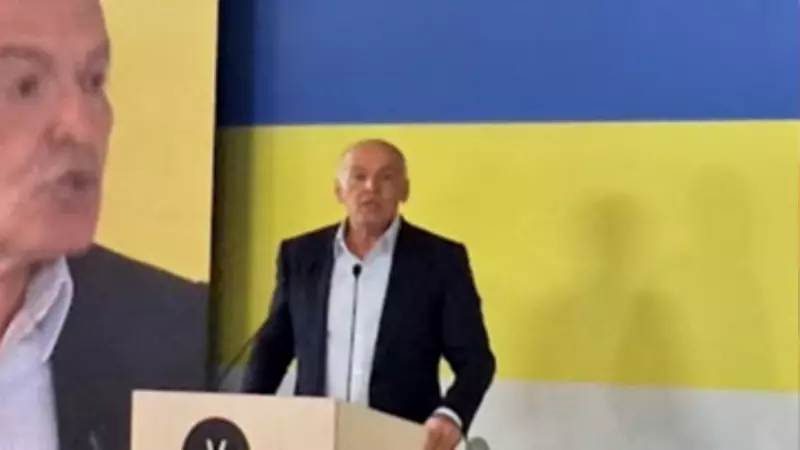
As European leaders and experts convened in Kyiv to commemorate the fourth anniversary of Russia's full-scale invasion of Ukraine, a collective consensus emerged: Russia demonstrates no willingness to cease hostilities in the near future. The Yalta European Strategy (YES) Special Meeting served as a platform for urgent discussions on the ongoing conflict and Europe's role in supporting Ukraine.
Urgent Demands for Ukraine's Defense and Integration
During the opening session, participants outlined clear priorities for Ukraine's immediate needs. These include:
- Closing Ukrainian skies to Russian missiles and drones to protect civilian infrastructure and military positions.
- Expediting EU membership for Ukraine to strengthen political and economic ties with Europe.
- Establishing robust security guarantees to deter future aggression and ensure long-term stability.
YES founder Viktor Pinchuk addressed the audience, emphasizing the high stakes. "Europe has to pay much more if Russia is not stopped today," he stated, highlighting that Ukrainian forces are fighting not only for their nation's security but also for Europe's collective safety. He recalled President Zelenskyy's words, noting that Ukrainian heroes are not invincible terminators but human beings facing immense challenges.

Warnings from Baltic Nations and European Unity Challenges
Former Lithuanian prime minister Ingrida Simonyte shared insights from the Baltic perspective, revealing that these nations had long anticipated Russian aggression but were often dismissed as paranoid. "Europe was late to support Ukraine," she admitted, adding that Putin is currently testing European resolve while attempting to shape Europe's political landscape. Simonyte explained that Russia is cultivating anti-Ukrainian and anti-European politicians within Europe to facilitate future conflicts, undermining continental unity.
In this context, Simonyte pointed to the need for the EU to address leaders like Hungary's Viktor Orban, who consistently obstruct group decisions and weaken efforts to aid Ukraine. Recent examples include Hungary vetoing the EU's 20th sanctions package against Russia and threatening to block a previously agreed 90 billion euro loan to Ukraine, complicating European solidarity.
Debunking False Peace Narratives and the Path Forward
On the topic of peace, Simonyte criticized Putin's promotion of a deceptive peace narrative that essentially demands Ukraine's capitulation to Russian terms. "Russia will be constantly offended," she noted, implying that Moscow's grievances are perpetual and not a basis for genuine negotiation. Pinchuk reinforced this view, asserting that Europe must stand firmly with Ukraine despite Moscow's demands, rather than yielding to pressure that could compromise security.
The meeting underscored a critical message: as the war enters its fifth year, European support must intensify to counter Russia's relentless aggression. Leaders stressed that failure to act decisively could lead to greater costs and instability across the continent, making unity and proactive measures essential for safeguarding both Ukrainian and European futures.