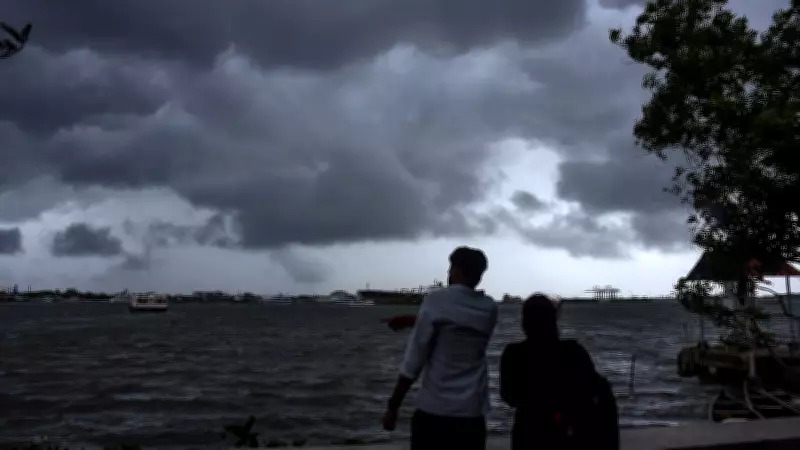
El Nino Poses Significant Threat to Indian Monsoon Season
The India Meteorological Department (IMD) has issued a high alert as El Nino conditions are projected to potentially disrupt the Indian monsoon during the second half of the season. This natural climatic phenomenon, characterized by the cyclical warming of parts of the Pacific Ocean, could lead to a super event with severe implications for weather patterns across the country.
Understanding El Nino and Its Global Impact
El Nino is a complex natural event involving the warming of several regions in the Pacific Ocean, which significantly alters global weather systems. This warming disrupts atmospheric circulation, leading to varied climatic effects worldwide. In the context of India, El Nino years are historically associated with deficient monsoon rainfall, though exceptions have been recorded in past instances.
The cyclical nature of El Nino means it occurs periodically, but its intensity and timing can vary, making accurate predictions crucial for agricultural planning and water resource management. The IMD's alert underscores the importance of monitoring these developments closely to mitigate potential adverse effects on the economy and daily life.

IMD's Vigilance and Preparedness Measures
The IMD is maintaining a state of heightened vigilance, utilizing advanced meteorological tools and data analysis to track El Nino's progression. This proactive approach aims to provide timely updates and warnings to government agencies, farmers, and the general public. The department's focus is on assessing the likelihood of a super event, which could exacerbate rainfall deficits and impact crop yields.
Preparedness measures include coordinating with state governments to implement contingency plans for water conservation and agricultural support. The IMD's efforts are geared towards minimizing the disruption caused by potential poor monsoon conditions, ensuring that communities are better equipped to handle any challenges that arise.
Historical Context and Future Projections
Historically, El Nino events have been linked to below-average monsoon rainfall in India, affecting millions of people dependent on agriculture. However, there have been exceptions where monsoon performance remained adequate despite El Nino conditions, highlighting the complexity of climatic interactions.
Looking ahead, the IMD's projections for the second half of the monsoon season indicate a heightened risk of reduced rainfall. This could have cascading effects on water availability, food security, and overall economic stability. Continuous monitoring and adaptive strategies will be essential to navigate the uncertainties posed by El Nino in the coming months.