

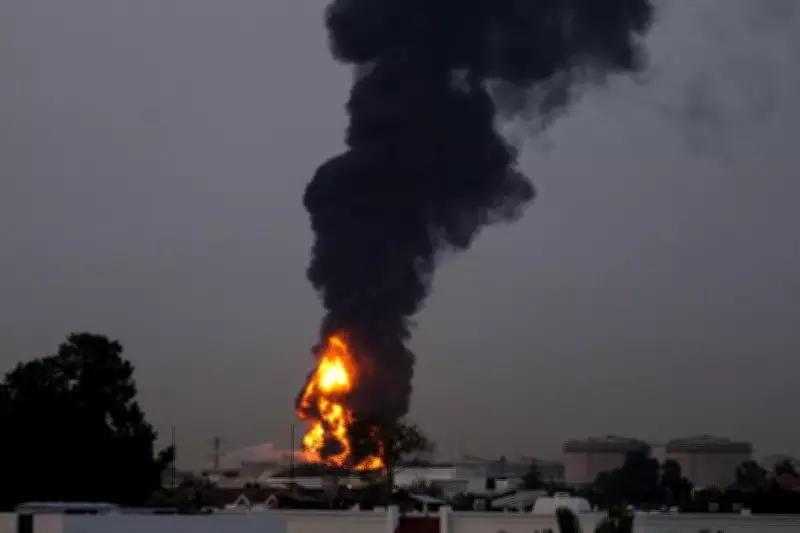
Dubai and UAE Navigate Fallout from Iran-US-Israel Conflict
The escalating tensions involving Iran, the United States, and Israel are increasingly affecting the broader Gulf region, with Dubai and the United Arab Emirates experiencing significant ripple effects. Although the UAE is not directly engaged in military conflict, the consequences of regional instability are manifesting across economic, security, and social spheres, posing challenges to this global hub.
Heightened Security Concerns in the Gulf
One of the most immediate impacts is on regional security. The UAE, due to its proximity to Iran across the Persian Gulf, faces elevated risks from missile threats, drone attacks, or spillover conflict. While Dubai remains calm and heavily secured, authorities have ramped up surveillance and defense readiness to preempt potential incidents.
The UAE has historically maintained a cautious diplomatic stance, keeping communication channels open with Iran while aligning strategically with Western allies. However, any escalation between Iran and Israel, especially with US involvement, raises the likelihood of miscalculation or indirect targeting in the Gulf, adding to security anxieties.

Economic Vulnerabilities and Disruptions
Economically, Dubai's role as a global trade and tourism hub makes it particularly sensitive to geopolitical shocks. Rising tensions threaten to disrupt critical shipping routes, notably through the Strait of Hormuz, a vital oil transit chokepoint. Any obstruction here can spike oil prices, benefiting oil-exporting states like the UAE but also causing global market volatility.
Simultaneously, uncertainty may dampen investor confidence, delay business deals, and adversely affect key sectors such as real estate, aviation, and tourism, which are foundational to Dubai's economy. The disruption extends to air travel, with flights across the region being rerouted to avoid conflict zones, leading to longer travel times and increased costs. Airlines based in Dubai, including Emirates, must continuously adjust operations to ensure passenger safety, potentially compromising the city's connectivity as an international transit hub.
Social and Daily Life Adjustments
Socially, the conflict's effects are palpable. Many schools and universities in the UAE have transitioned to online classes, with plans to continue this mode for two weeks after the spring break to prioritize student safety, as reported by the Khaleej Times. Additionally, food security is under strain; the blockade of main shipping routes into the Gulf, such as the Strait of Hormuz, has led to rising prices for certain food items. Reports indicate that meat prices have nearly doubled, highlighting the region's heavy reliance on imports in this arid area.
Residents in Dubai have also received mobile phone alerts warning of incoming Iranian missile fire, adding to the sense of urgency. Expatriate communities, who constitute the majority of Dubai's population, are closely monitoring the situation, with global tensions fostering anxiety, especially among those from countries directly involved in the conflict.
Resilience Amidst Challenges
Despite these multifaceted challenges, the UAE has demonstrated notable resilience. Its robust infrastructure, diversified economy, and proactive governance help mitigate risks. Dubai continues to function normally, but the underlying tension persists, underscoring the broader implications of the Iran-US-Israel war on regional stability.






