

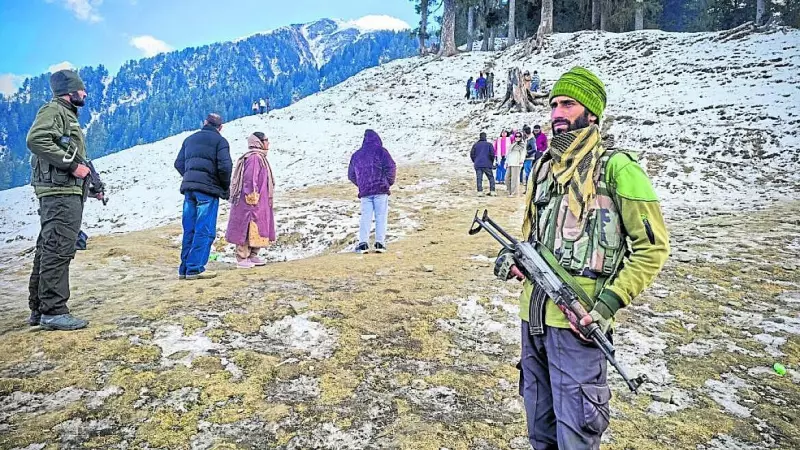
This winter season has brought an unusual and concerning pattern to the Himalayan region. Much of the Valley floor remained largely snow-free well into mid-January. Night temperatures consistently stayed below -6 degrees Celsius during this period.
Impact on Water Resources
The lack of snowfall poses a direct threat to river systems. Snowmelt from the Himalayas serves as a crucial water source for many rivers. These rivers support agriculture, drinking water supplies, and hydropower projects across northern India.
Agricultural Concerns
Farmers in regions like Kashmir and Uttarakhand face significant challenges. Snowpack typically provides irrigation water during the spring and summer months. Without adequate snowfall, crop yields could suffer. This situation may lead to economic hardship for rural communities.

Regional Stability Issues
Water scarcity often heightens tensions between communities and states. The Himalayan region has experienced conflicts over water resources in the past. A dry winter could exacerbate existing disputes. Maintaining peace becomes more difficult when essential resources dwindle.
Climate Patterns and Future Outlook
Scientists have observed changing weather patterns in the Himalayas over recent years. Winters are becoming drier in some areas. This trend aligns with broader climate change impacts affecting mountain regions worldwide.
Local authorities must prepare for potential water shortages. Communities need to develop conservation strategies. Alternative water management approaches could help mitigate the effects of reduced snowfall.
The situation requires immediate attention from policymakers. Sustainable solutions must balance environmental protection with human needs. The future of Himalayan ecosystems and dependent populations hangs in the balance.






