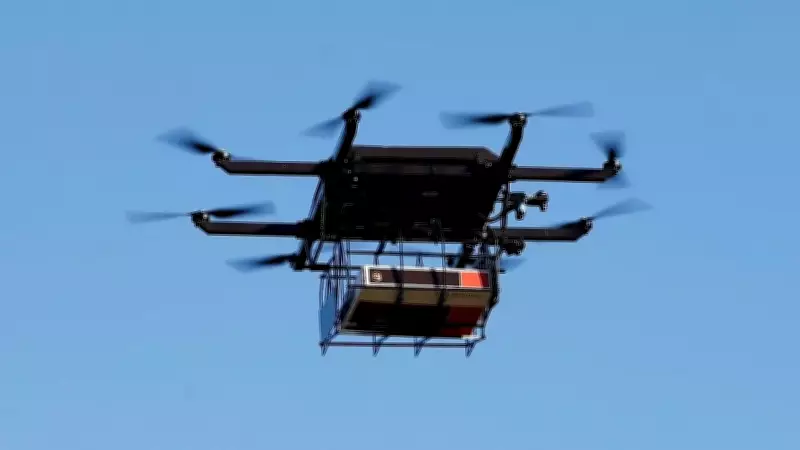
Drones Usher in a New Era of Forest Protection in Maharashtra
In a groundbreaking move for wildlife conservation, the Navegaon-Nagzira Tiger Reserve in Maharashtra is harnessing the power of drone technology to transform its forest protection strategies. This initiative represents a significant leap forward in safeguarding one of India's critical biodiversity hotspots, integrating advanced aerial surveillance to address longstanding challenges in forest management.
Enhancing Wildlife Monitoring and Anti-Poaching Efforts
The deployment of drones in the reserve is primarily focused on bolstering wildlife monitoring and combating illegal activities such as poaching. Equipped with high-resolution cameras and thermal imaging capabilities, these unmanned aerial vehicles provide forest officials with real-time, bird's-eye views of the terrain. This allows for more efficient tracking of tiger movements, elephant herds, and other endangered species, enabling quicker responses to potential threats.
Key benefits include:

- Improved surveillance over vast and inaccessible forest areas, reducing the reliance on ground patrols alone.
- Enhanced detection of poaching activities, with drones capable of spotting intruders even in dense foliage or during nighttime.
- Better data collection on animal populations and habitat conditions, supporting long-term conservation planning.
Operational Advantages and Technological Integration
Beyond anti-poaching, drones are proving invaluable for various operational tasks within the reserve. They assist in mapping forest boundaries, monitoring deforestation, and assessing the impact of natural disasters like wildfires. By providing detailed aerial imagery, drones help authorities identify encroachments, illegal logging, and other environmental violations with greater accuracy.
The integration of this technology is part of a broader push by Maharashtra's forest department to modernize conservation efforts. Training programs have been implemented to equip staff with the skills needed to operate drones effectively, ensuring that the technology is used to its full potential. This move aligns with global trends in using tech-driven solutions for environmental protection, setting a precedent for other reserves across India.
Challenges and Future Prospects
While the adoption of drones has yielded positive results, challenges such as regulatory hurdles, maintenance costs, and limited battery life persist. However, officials remain optimistic, citing plans to expand drone usage and incorporate additional features like artificial intelligence for automated threat detection. The success in Navegaon-Nagzira could inspire similar initiatives in other protected areas, fostering a more resilient approach to forest conservation nationwide.
In summary, the use of drones in Maharashtra's Navegaon-Nagzira Tiger Reserve is not just a technological upgrade but a transformative step towards more proactive and efficient forest protection. By leveraging aerial innovation, authorities are better equipped to preserve India's rich wildlife heritage for future generations.