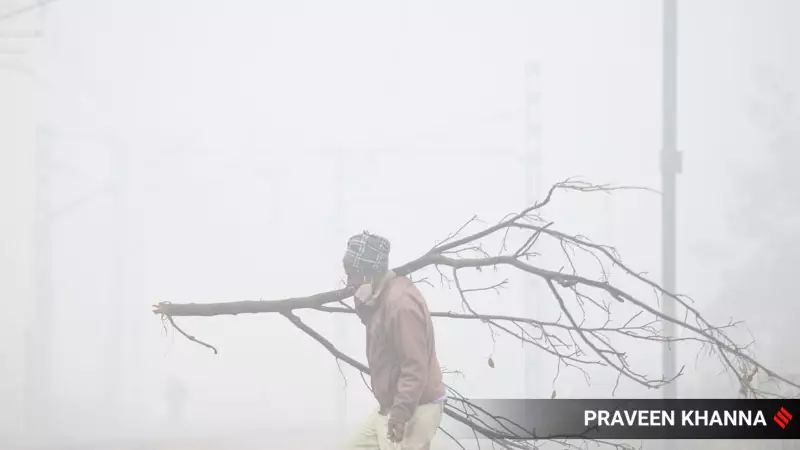
Thick, dense fog shrouded large parts of northern and eastern India on the morning of Thursday, January 1, 2026, causing significant travel disruptions and a sharp decline in air quality. The national capital, New Delhi, was among the worst affected, with visibility dropping sharply and the Air Quality Index (AQI) plunging into the "very poor" and "severe" categories.
Flight Chaos Across Multiple Cities
The aviation sector bore the immediate brunt of the adverse weather. At Delhi's Indira Gandhi International (IGI) Airport, visibility was recorded at a mere 600 metres in shallow fog conditions at 9 am. The India Meteorological Department (IMD) predicted an improvement to 1200 metres by 2:30 pm under moderate fog. The low visibility led to widespread flight disruptions not just in Delhi, but also in Ranchi, Bhubaneswar, and Guwahati.
Major airlines proactively issued travel advisories. Air India warned that low visibility in North India, including Delhi, "may impact flight schedules across the network." The airline activated its 'FogCare' initiative, allowing affected passengers to reschedule or get a full refund. Similarly, IndiGo reported impacts on schedules due to fog over Ranchi and Bhubaneswar, and noted slower flight movements at Guwahati airport. SpiceJet informed passengers of potential delays due to poor visibility in Ayodhya and Dharamshala.
Delhi's Air Quality Plummets to Severe Levels
As the fog settled, it trapped pollutants, leading to a dangerous spike in air pollution. While Delhi's overall AQI was 372 ("very poor"), several monitoring stations recorded "severe" levels. Key areas affected included:
- Sonia Vihar: 424
- Anand Vihar: 421
- Wazirpur: 414
- Rohini: 414
- Dwarka Sector 8: 400
In response, authorities deployed anti-smog guns and water sprinklers in severely affected zones in an attempt to curb pollution. Visuals from Anand Vihar showed a dense layer of smog enveloping the area.
Republic Day Rehearsals and Regional Impact
Despite the challenging conditions, preparations for national events continued. Rehearsals for the Republic Day 2026 parade proceeded at Delhi's Kartavya Path, with marching contingents practicing in the dense fog. The fog also cast a surreal atmosphere over iconic landmarks across North India. The Taj Mahal in Agra was seen emerging through a faint veil of fog, while Jaipur's Amer Fort was engulfed in a thick layer, creating a mystical glow.
In contrast, Mumbai welcomed the New Year with heavy showers and drizzle, providing a starkly different weather narrative for its residents.
The IMD's forecasts suggest gradual improvement in visibility as the day progresses, but the episode highlights the recurring winter challenges of fog and pollution that disrupt life across the Indo-Gangetic plains.