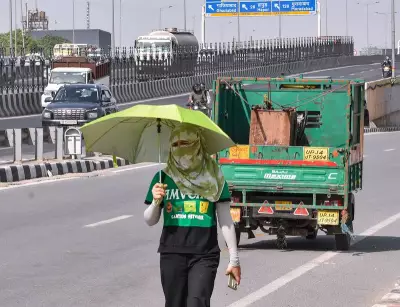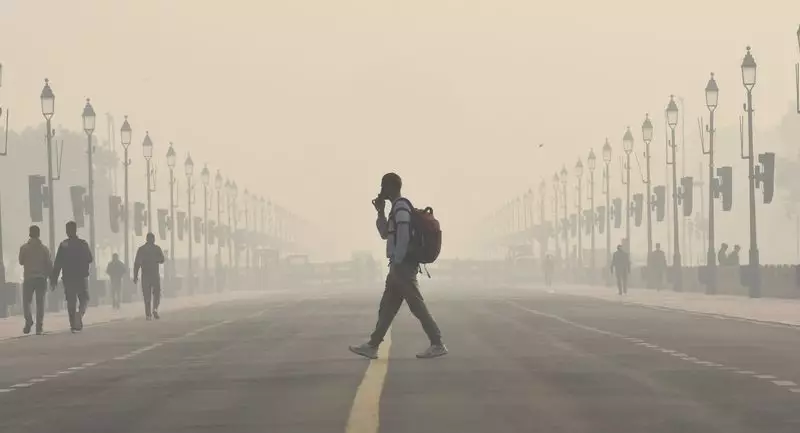
Delhi has endured its most polluted December in the last seven years, with air quality indices reaching alarming levels throughout the month. Data reveals a grim picture of the capital's ongoing battle with toxic air, despite a surprisingly low contribution from the often-blamed agricultural stubble burning in neighboring states.
A Seven-Year High in Pollution Levels
According to data from the System of Air Quality and Weather Forecasting and Research (SAFAR), the average concentration of fine particulate matter (PM2.5) in Delhi for December 2023 stood at a hazardous 206 micrograms per cubic metre (μg/m³). This figure is shockingly high, representing the worst December average since 2017. The prescribed safe limit for PM2.5, as per Indian standards, is 60 μg/m³, meaning Delhi's air was over three times more polluted than what is considered acceptable.
The month saw severe pollution episodes, with the AQI frequently plunging into the 'severe' category (above 400). These spells of intensely toxic air posed significant health risks to the city's residents, leading to widespread respiratory issues and reduced visibility.

Stubble Burning's Minor Role in Winter Smog
In a notable finding, the contribution of stubble burning from Punjab and Haryana to Delhi's PM2.5 pollution remained minimal throughout December. SAFAR analysis indicated that the share varied between just 3% and 5% on most days. This challenges the common narrative that post-harvest farm fires are the primary driver of Delhi's winter pollution crisis.
This low percentage underscores that the extreme pollution was largely homegrown. The primary sources were local emissions from vehicles, industrial activities, construction dust, and biomass burning within the city and the broader National Capital Region (NCR). Unfavorable meteorological conditions, including low wind speeds and cold temperatures that trap pollutants close to the ground, further exacerbated the situation.
Consistent Deterioration Over the Years
A review of SAFAR's historical data paints a worrying trend of declining air quality in December over recent years. The average PM2.5 concentration for December was 180 μg/m³ in 2022, 187 μg/m³ in 2021, and 188 μg/m³ in 2020. The jump to 206 μg/m³ in 2023 marks a significant and concerning deterioration, indicating that current mitigation strategies are falling short.
Implications and the Path Forward
The data delivers two critical messages. First, Delhi's air pollution problem is a year-round, structural issue dominated by local sources. While stubble burning creates intense spikes in November, December's smog is predominantly of the capital's own making. Second, there is a clear trend of worsening air quality in the peak winter month, suggesting that existing measures under the Graded Response Action Plan (GRAP) are insufficient.
Experts emphasize that tackling this crisis requires a relentless, multi-pronged approach focused on the Greater Delhi region. Key areas needing intensified action include:
- Controlling vehicular emissions through a faster transition to electric vehicles and stricter enforcement of pollution checks.
- Managing construction and road dust with mandatory covering and mechanized cleaning.
- Curbing industrial pollution and ensuring the use of approved fuels.
- Addressing biomass burning for heating in the NCR by providing affordable alternatives.
The record-breaking pollution levels of December 2023 serve as a stark reminder that Delhi's battle for clean air is far from over. The minimal role of stubble burning shifts the spotlight firmly onto the need for robust and effective local action throughout the year.