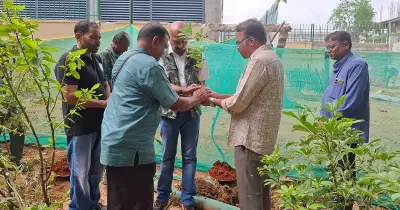
The Delhi government has unveiled a comprehensive plan to manage damaged and discarded idols in an environmentally sustainable manner. Instead of the traditional practice of immersing them in rivers and water bodies, which contributes significantly to water pollution, the authorities are setting up dedicated recycling centres across the city.
A Shift from Tradition to Sustainability
For years, the immersion of idols made from plaster of Paris, clay, and other materials has been a major environmental concern. The new initiative aims to provide a dignified farewell to these religious symbols while protecting the Yamuna and other water bodies from toxic paints and non-biodegradable materials.
How the Recycling Centres Will Work
The recycling centres will be equipped to process idols of various sizes and materials. Citizens can bring their damaged or old idols to these centres, where they will be respectfully collected. The materials will then be segregated: clay and natural components will be reused for making new idols or agricultural purposes, while non-biodegradable parts will be disposed of responsibly.

“We are not just creating recycling facilities; we are fostering a cultural shift towards environmental stewardship,” said a senior municipal official. “The goal is to ensure that religious sentiments are respected without compromising the health of our rivers.”
Community Involvement and Awareness Campaigns
The government plans to launch extensive awareness campaigns in collaboration with resident welfare associations, temples, and community groups. Workshops will be conducted to educate citizens about the environmental impact of traditional immersion and the benefits of recycling. Additionally, special collection drives will be organized during major festivals like Ganesh Chaturthi and Durga Puja.
Infrastructure and Logistics
Initially, ten recycling centres will be established in key locations across Delhi, with plans to expand based on demand. Each centre will have designated areas for collection, segregation, and processing. The project is being implemented in partnership with environmental NGOs and waste management companies to ensure efficiency and compliance with environmental norms.
The initiative has received positive feedback from religious leaders and environmental activists alike. “This is a progressive step that balances faith and ecology,” said Swami Avimukteshwaranand, a prominent spiritual leader. “We must adapt our practices to protect the planet for future generations.”
Long-Term Vision
The Delhi government envisions this model being replicated across other states. By creating a circular economy for idol materials, the plan not only reduces pollution but also generates employment opportunities in the recycling sector. The collected materials, such as clay and natural dyes, can be supplied to local artisans, promoting sustainable livelihoods.
As the city gears up for the festive season, the message is clear: honoring deities need not come at the cost of the environment. With these recycling centres, Delhi is setting an example of how tradition and modernity can coexist harmoniously.