

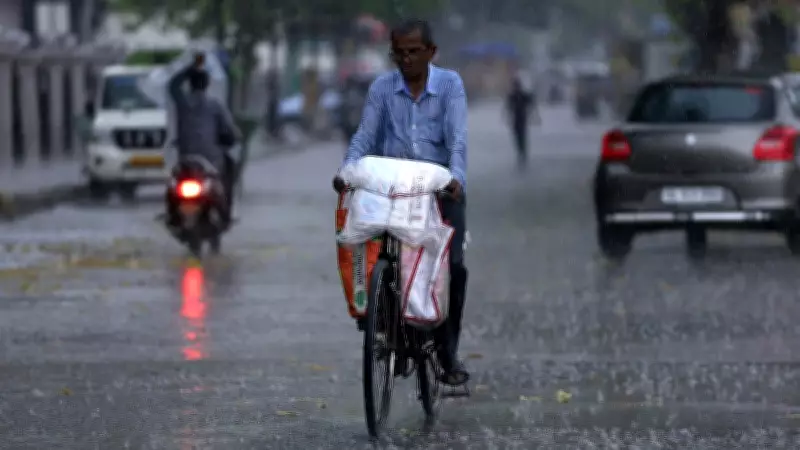
Delhi Experiences Coldest March Day in Six Years Amid Rainfall
The national capital, Delhi, witnessed its coldest March day in six years on Thursday, March 20, 2026, as heavy rainfall swept across the city. This significant drop in temperature marks a notable departure from the typical warm conditions expected during this time of year, highlighting an unusual weather pattern that has gripped the region.
Rainfall Leads to Marked Improvement in Air Quality
Following the downpour, Delhi's air quality showed a dramatic enhancement, with the Air Quality Index (AQI) recorded at 93. This reading places the city's air in the 'satisfactory' category, a welcome change after a prolonged period of poor air conditions. The improvement is attributed to the rain washing away pollutants and particulate matter that had accumulated over the past months.
Key Details of the Weather Event:

- The temperature plummeted to levels not seen in March since 2020, making it the coldest day of the month in six years.
- Heavy rain lashed various parts of Delhi, contributing to the cooling effect and aiding in air purification.
- The AQI of 93 represents a significant shift, as Delhi had not experienced 'satisfactory' air quality for five consecutive months prior to this event.
Implications for Public Health and Environment
This weather development has positive implications for public health, as improved air quality reduces respiratory risks and enhances overall well-being for residents. The 'satisfactory' AQI level indicates that air pollution is minimal, making outdoor activities safer and more enjoyable. Environmental experts note that such natural cleansing events are crucial for mitigating the chronic air pollution issues that Delhi often faces, especially during winter and early spring.
Looking Ahead: While this temporary relief is welcomed, authorities and citizens are urged to continue efforts in reducing pollution sources to sustain better air quality in the long term. The unusual cold spell also serves as a reminder of the changing climate patterns affecting urban areas like Delhi.






