

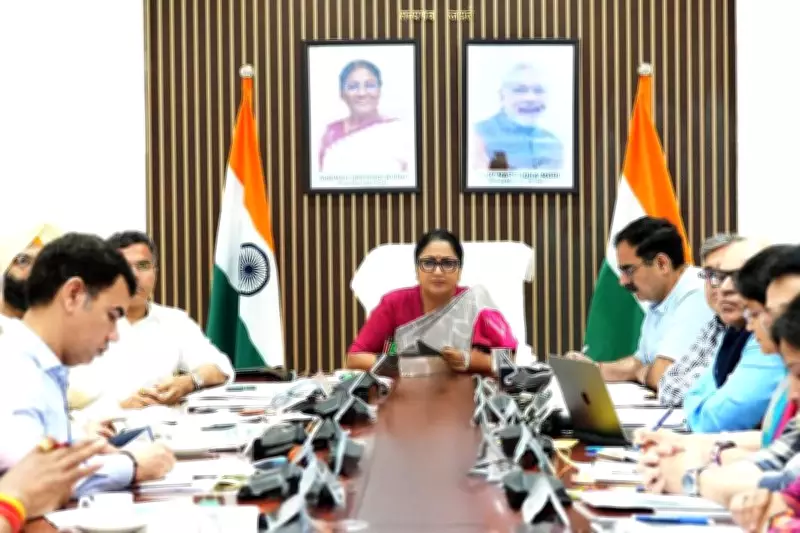
Delhi Government Introduces Ambitious Action Plan 2026 to Combat Air Pollution
The Delhi government has officially unveiled a comprehensive and forward-thinking Action Plan 2026, aimed at addressing the city's persistent and severe air pollution crisis. This strategic initiative outlines a multi-faceted approach to significantly reduce pollution levels through stringent enforcement measures, enhanced regulatory frameworks, and widespread public engagement.
Key Components of the Action Plan 2026
The plan is structured around several critical pillars designed to tackle pollution from various sources. Strict enforcement measures will be implemented to ensure compliance with existing environmental laws, including increased penalties for violations and more frequent inspections of industrial and vehicular emissions. Additionally, the government will focus on industrial pollution control, mandating the adoption of cleaner technologies and stricter emission standards for factories and power plants.
Another major aspect involves vehicular emission reduction, with plans to promote electric vehicles, improve public transportation infrastructure, and enforce stricter norms for older, polluting vehicles. The plan also emphasizes waste management improvements, targeting the reduction of open burning and enhancing recycling efforts to minimize particulate matter release.

Enforcement and Monitoring Mechanisms
To ensure the effectiveness of the Action Plan 2026, the Delhi government will establish a dedicated task force for monitoring and enforcement. This body will be empowered to conduct surprise checks, issue fines, and take legal action against non-compliant entities. Real-time air quality monitoring systems will be expanded across the city to provide accurate data and enable prompt responses to pollution spikes.
Furthermore, the plan includes provisions for public awareness campaigns to educate citizens about pollution sources and encourage sustainable practices. Schools, communities, and businesses will be engaged through workshops and digital platforms to foster a collective effort in combating air pollution.
Goals and Expected Outcomes
The primary objective of the Action Plan 2026 is to achieve a significant reduction in air pollution levels by the year 2026, with specific targets for lowering PM2.5 and PM10 concentrations. The government aims to improve Delhi's air quality index (AQI) to meet national and international standards, thereby enhancing public health and environmental sustainability.
Expected outcomes include fewer pollution-related health issues, such as respiratory diseases, and a boost to the city's overall quality of life. The plan also seeks to position Delhi as a model for other urban centers grappling with similar environmental challenges.
Challenges and Future Steps
Despite its ambitious scope, the Action Plan 2026 faces challenges, including logistical hurdles in enforcement, potential resistance from industries, and the need for sustained funding. The government has committed to regular reviews and updates of the plan to adapt to emerging issues and ensure continuous progress.
In the coming months, detailed implementation guidelines will be released, and stakeholder consultations will be conducted to refine strategies. The success of this initiative will depend on robust collaboration between government agencies, private sectors, and the public to create a cleaner, healthier Delhi for future generations.






