Delhi residents woke up to the chilliest morning of the season on Tuesday, as a severe cold wave tightened its grip on the national capital. The mercury plummeted to a biting 3.5 degrees Celsius, marking the lowest minimum temperature recorded this winter so far.
Fog and Frost Grip the Capital
The intense cold was accompanied by dense fog, which significantly reduced visibility across the city and its outskirts. The India Meteorological Department (IMD) reported that the visibility at the Indira Gandhi International (IGI) Airport dropped to a mere 500 metres during the early morning hours. This led to disruptions in flight and train schedules, causing inconvenience to thousands of commuters. The Safdarjung observatory, which serves as the city's base weather station, also recorded the same low of 3.5°C.
Meteorologists attribute this sharp dip in temperature to a combination of factors. Clear skies and calm winds during the night allowed for maximum radiative cooling, where the earth's heat escapes rapidly into the atmosphere. Furthermore, cold north-westerly winds are continuing to sweep across the plains of North India, bringing in colder air.

IMD's Forecast and Warnings
The IMD has issued a stern forecast, indicating that the cold wave conditions are likely to persist. The weather bureau has predicted cold day to severe cold day conditions over Delhi and surrounding regions for the next few days. A 'cold day' is officially declared when the minimum temperature is below 10°C and the maximum temperature is at least 4.5 degrees below the normal.
Residents should brace for more mornings shrouded in dense fog. The IMD has also forecast shallow to moderate fog in the morning hours for the subsequent two to three days. Such conditions pose serious risks for road, rail, and air travel, and authorities have advised citizens to exercise caution.
Impact on Daily Life and Health
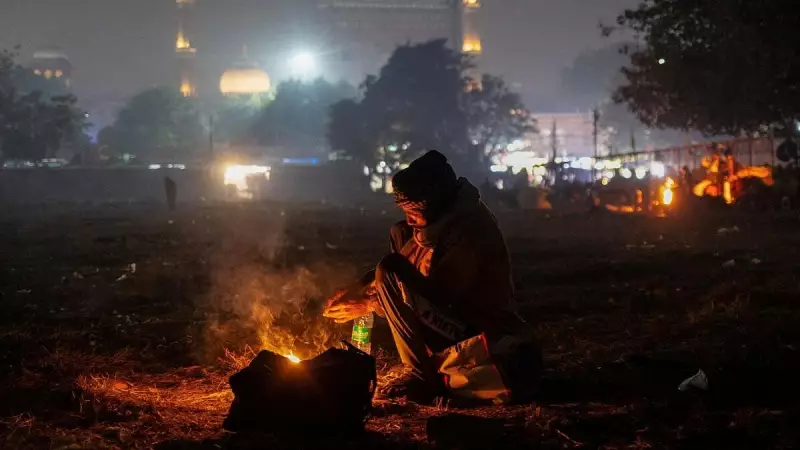
The severe cold wave is severely impacting daily life in the capital. The homeless and street dwellers are the most vulnerable, with night shelters seeing a surge in occupancy. The Delhi government has been urged to ensure adequate facilities and warm blankets are available at these shelters.
Doctors are reporting a rise in patients suffering from cold-related ailments such as flu, asthma attacks, and joint pains. Health experts advise people, especially the elderly and children, to wear multiple layers of warm clothing, cover their heads, and avoid early morning and late evening exposure. Staying hydrated and consuming warm fluids is also recommended to help the body cope with the extreme chill.
As Delhi continues to shiver, the focus remains on staying warm and safe. With the IMD's prediction of no immediate respite, the capital is set to endure more days of this harsh winter spell before any significant change in the weather pattern occurs.