

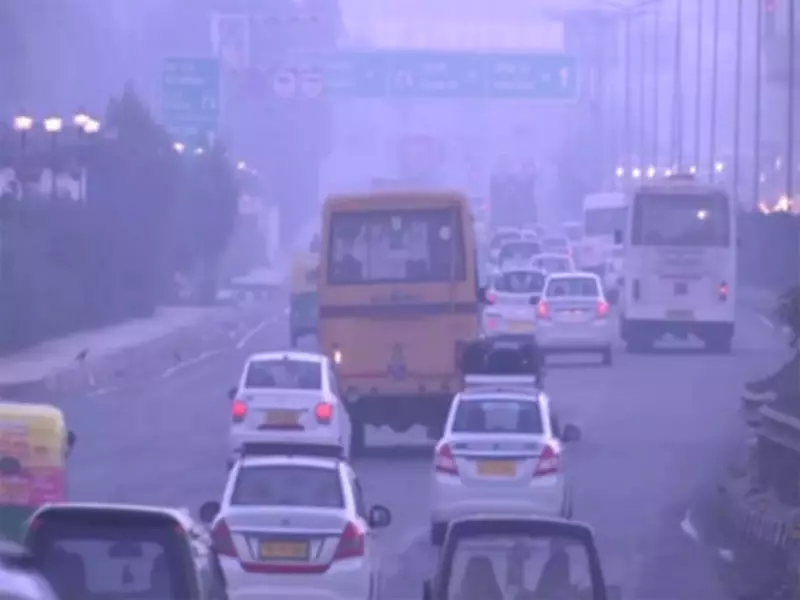
CAQM Implements Stage-I GRAP Measures as Delhi-NCR Air Quality Worsens
The Commission for Air Quality Management (CAQM) has taken decisive action by imposing Stage-I measures under the Graded Response Action Plan (GRAP) across the Delhi-National Capital Region (NCR). This move comes after air quality in the region deteriorated into the "poor" category on Thursday, prompting immediate regulatory steps to mitigate pollution levels.
Rising AQI Triggers Regulatory Response
According to a senior official speaking to PTI, the Air Quality Index (AQI) in Delhi has been on an upward trajectory due to unfavorable meteorological conditions. The AQI was recorded at 226, firmly placing it in the "poor" category. Forecasts from the India Meteorological Department and the Indian Institute of Tropical Meteorology indicate that this trend is likely to continue, with air quality expected to remain poor over the next two days.
The CAQM sub-committee, after reviewing the situation, decided to enforce all actions stipulated under Stage-I of GRAP across the NCR with immediate effect. This includes measures such as:

- Increased vigilance on dust control at construction sites.
- Stricter enforcement of pollution norms for industries.
- Enhanced monitoring of vehicular emissions.
- Public awareness campaigns to reduce pollution sources.
Context and Implications of GRAP Implementation
The Graded Response Action Plan is a comprehensive framework designed to combat air pollution in the Delhi-NCR region through a tiered approach. Stage-I measures are activated when the AQI enters the "poor" category (101-200), aiming to prevent further deterioration. This early intervention is crucial as prolonged exposure to poor air quality can lead to respiratory issues and other health concerns for residents.
Environmental experts note that the current situation underscores the ongoing challenges in managing air quality in urban areas, particularly during periods of adverse weather. The enforcement of GRAP measures highlights the government's proactive stance in addressing pollution, though long-term solutions remain a priority.
As this is a developing story, further updates on air quality levels and regulatory actions are anticipated. Residents are advised to stay informed and take necessary precautions, such as limiting outdoor activities and using masks, to protect their health during this period of elevated pollution.






