Delhi-NCR Air Quality Worsens, GRAP-III Restrictions Return
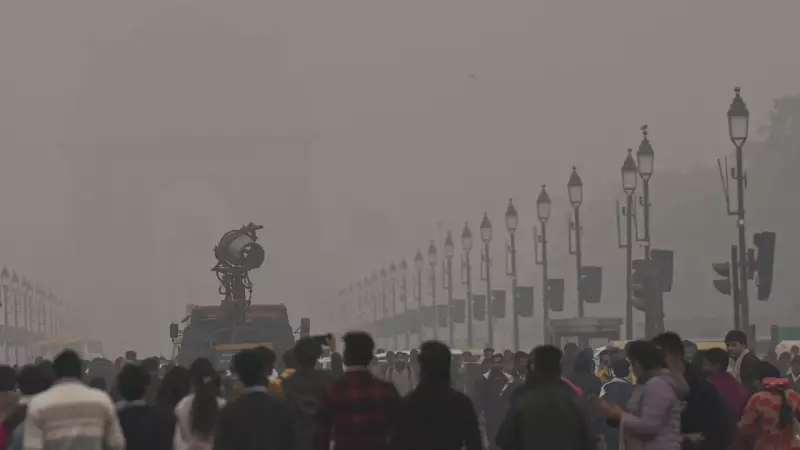
The Commission for Air Quality Management (CAQM) has reinstated GRAP-III restrictions across Delhi and the National Capital Region. This decision comes as air quality is predicted to deteriorate into the severe category over the next few days.
Pollution Persists Despite Earlier Relief
Delhi-NCR has struggled with high pollution for months. In December, authorities implemented all GRAP Stage III measures when the Air Quality Index (AQI) entered the severe range. Poor wind speeds and stable atmospheric conditions trapped pollutants, worsening air quality throughout the region.
CAQM had lifted these curbs on January 2 after a notable improvement. However, with pollution levels climbing once more, the commission has reimposed the restrictions to prevent further degradation.

What GRAP Stage III Bans and Allows
Major prohibitions now in effect include:
- A complete halt to non-essential construction and demolition work.
- Specific banned activities: earthwork, piling, open trenching, welding, painting, and plastering.
- Stoppage of tile and flooring work, and operations at ready-mix concrete plants.
- Prohibition on transporting construction materials like cement, sand, and fly ash on unpaved roads.
- Closure of stone crushers, brick kilns, mining activities, and industries using unapproved fuels.
Vehicular restrictions are also active:
- BS-III petrol and BS-IV diesel four-wheelers are banned.
- Non-essential diesel-powered medium goods vehicles face restrictions.
- Inter-state diesel buses not running on CNG, electricity, or BS-VI standards are prohibited.
Exemptions for Essential Services Continue
Critical infrastructure and public service projects will proceed without interruption. This includes work on metro, railway, airport, highway, defence, healthcare, and sanitation projects. Construction for these essential activities is permitted, provided strict dust control and waste management norms are followed.
Additional exemptions allow persons with disabilities to use permitted vehicles. Authorities encourage the use of public transport. Schools may operate in hybrid or online modes for students up to Grade 5.
Officials will keep monitoring air quality closely. They stand ready to take further action as the situation demands.