

Delhi Grinds to a Halt as Dense Fog Wreaks Havoc
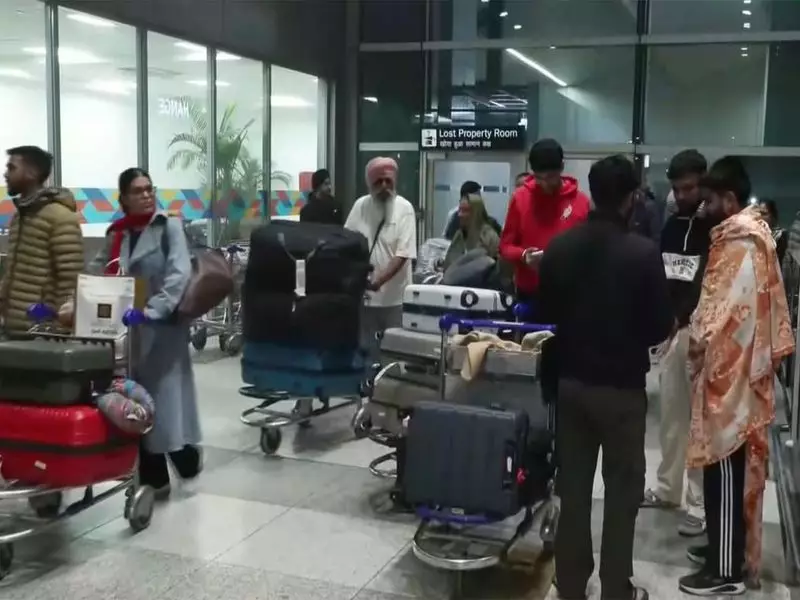
Delhi woke up to another day of thick fog on Thursday morning. The dense blanket of mist severely disrupted air travel across the city. Several flights faced significant delays. Many others got cancelled outright. Passengers at the Indira Gandhi International Airport experienced long waits and uncertainty. Airport authorities worked hard to manage the situation. They issued regular updates to travelers. The fog reduced visibility to just a few hundred meters in many areas.
Air Quality Stuck in the 'Very Poor' Zone
Alongside the fog, Delhi's air quality remained a major concern. The Air Quality Index (AQI) stayed firmly in the 'very poor' category. Readings hovered around 300 in several monitoring stations. This level poses health risks to residents. Experts warned people to limit outdoor activities. They advised vulnerable groups like children and the elderly to stay indoors. The poor air quality combined with fog created a hazardous environment.
Impact on Daily Life and Commuters
The fog and pollution affected more than just flights. Road traffic also slowed down considerably. Drivers faced poor visibility on highways and city streets. Commuters reported longer travel times. Public transport systems like buses and metro saw increased crowding. Many people chose to work from home to avoid the harsh conditions. Schools and offices monitored the situation closely. Some considered adjustments to their schedules.

Meteorological officials explained the weather pattern. They cited low temperatures and high humidity as key factors. These conditions trap pollutants near the ground. The fog acts like a lid, preventing dispersion. Weather forecasts predict similar conditions for the next few days. Relief might come only with a change in wind patterns or temperature rise.
Authorities Respond to the Crisis
Government agencies activated their fog management plans. The airport implemented low visibility procedures. Airlines adjusted their schedules proactively. Health departments issued advisories on coping with pollution. They recommended using masks and air purifiers. The situation highlights Delhi's ongoing struggle with winter pollution. It underscores the need for long-term solutions to improve air quality.
Residents expressed frustration over the recurring problem. Many called for stricter enforcement of pollution control measures. The episode serves as a stark reminder of environmental challenges facing the capital. It affects not just convenience but public health directly. As Delhi pauses under the fog, the focus remains on resilience and adaptation.






