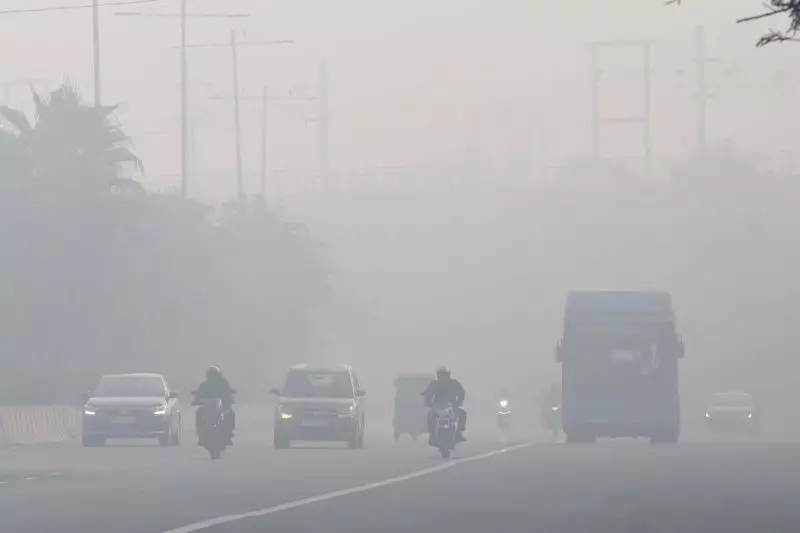
Residents of the national capital continue to grapple with hazardous air as Delhi's overall air quality remained firmly in the 'Very Poor' category on Tuesday. The city woke up to a thick haze, with pollution levels showing little sign of abatement.
Current Air Quality Index and Forecast
According to data from the System of Air Quality and Weather Forecasting and Research (SAFAR), the overall Air Quality Index (AQI) for Delhi was recorded at 336. This firmly places the city in the 'Very Poor' zone, which poses significant health risks to the general population. The forecasting agency has indicated that the air quality is likely to persist in the 'Very Poor' to the lower end of the 'Severe' category over the coming days.
Meteorological conditions are playing a crucial role in trapping pollutants. The forecast points to calm winds and low ventilation as primary reasons for the accumulation of harmful particulate matter. These conditions prevent the dispersion of pollutants, leading to the formation of a dense smog layer over the region.

Breakdown of Pollutant Contribution
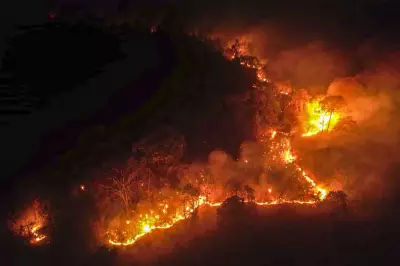
An analysis of the pollution sources reveals a concerning picture. SAFAR estimates that stubble burning in neighboring states contributed approximately 21% to Delhi's PM2.5 concentration. PM2.5 refers to fine particulate matter that is 2.5 microns or less in diameter, which can penetrate deep into the lungs and bloodstream.
The share from farm fires, while significant, is compounded by local sources of pollution that continue to operate unabated. These include:
- Vehicle emissions
- Dust from construction and roads
- Industrial pollution
- Open waste burning
The combination of these local emissions with external factors like stubble burning creates a toxic cocktail that blankets the city.
Health Implications and Advisory
An AQI in the 'Very Poor' range, between 301 and 400, comes with serious health warnings. Authorities and health experts advise that prolonged exposure can lead to respiratory illnesses and aggravate existing heart and lung conditions.
The recommended health advisory for such conditions includes:
- Avoiding prolonged or heavy outdoor exertion.
- Children, the elderly, and individuals with respiratory or cardiovascular diseases should stay indoors as much as possible.
- Using N95 or P100 masks when going outside is essential.
- Keeping windows closed and using air purifiers indoors.
The situation underscores the persistent environmental challenge that Delhi faces every winter. Despite various policy measures and actions plans, the cycle of severe air pollution repeats, impacting the health and daily life of millions. The immediate weather outlook offers little hope for a natural cleansing, putting the onus on stringent control of local emissions and coordinated regional action to provide any meaningful relief to the capital's beleaguered residents.