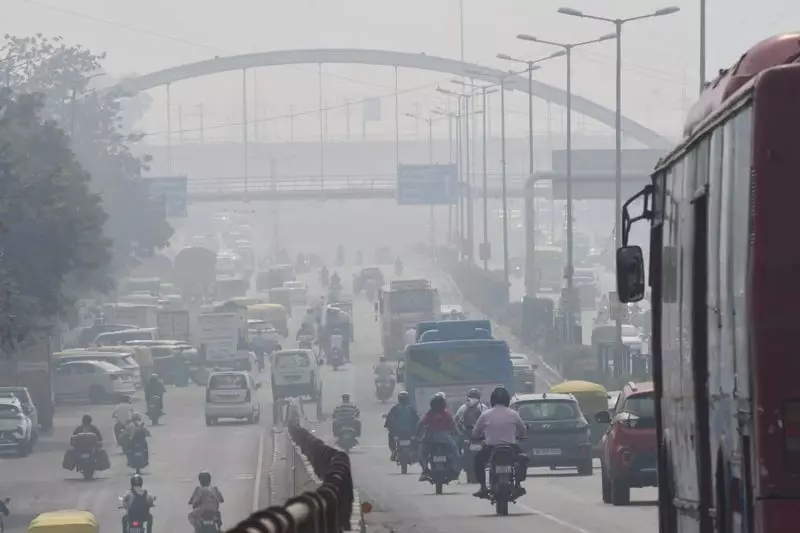
Delhi's air quality continues to deteriorate alarmingly, hovering dangerously close to the severe mark as multiple monitoring stations across the capital recorded critically poor air conditions. The situation has prompted immediate action from authorities who have implemented emergency measures to combat the escalating pollution crisis.
Widespread Pollution Across Monitoring Stations
According to recent data, eighteen air quality monitoring stations across Delhi recorded Air Quality Index (AQI) values exceeding 400, pushing the overall air quality toward the severe category. The data, collected from various locations throughout the city, reveals a disturbing pattern of deteriorating air conditions affecting millions of residents.
The monitoring stations reporting these alarming figures include both government-operated and independent facilities, providing a comprehensive picture of the capital's air pollution scenario. The consistent readings above 400 AQI across multiple locations indicate a widespread pollution problem rather than isolated incidents, suggesting systemic environmental challenges that require immediate attention.

GRAP Stage III Measures Activated
In response to the worsening air quality, authorities have swiftly implemented Stage III of the Graded Response Action Plan (GRAP). This emergency protocol includes several stringent measures designed to reduce pollution levels and protect public health. The activation of GRAP Stage III signifies the seriousness of the current air quality situation and the urgent need for intervention.
The implemented measures under GRAP Stage III include restrictions on construction activities, limitations on the operation of certain vehicle types, and enhanced public transportation services. Additionally, authorities have intensified efforts to control dust pollution and monitor industrial emissions more closely. These coordinated actions aim to address multiple pollution sources simultaneously.
Health Implications and Public Advisory
Medical experts have expressed serious concerns about the health impacts of the current air quality levels. The severe AQI readings pose significant risks, particularly for vulnerable groups including children, elderly citizens, and individuals with pre-existing respiratory conditions. Doctors recommend minimizing outdoor exposure and using protective masks when venturing outside.
Healthcare facilities across Delhi have reported increased cases of respiratory complaints, with many patients experiencing aggravated asthma symptoms, bronchitis, and other pollution-related health issues. The deteriorating air quality has also raised concerns about long-term health consequences for the city's population if the situation persists without substantial improvement.
Environmental specialists attribute the current crisis to a combination of factors including vehicular emissions, construction dust, industrial pollution, and unfavorable meteorological conditions. The lack of wind and temperature inversion has trapped pollutants close to the ground, preventing their dispersion and leading to the accumulation of harmful particulate matter.
As Delhi continues to grapple with this environmental emergency, authorities maintain close monitoring of the situation while urging public cooperation in implementing pollution control measures. The coming days will be crucial in determining whether the activated emergency protocols can effectively reverse the deteriorating air quality trend and provide relief to the city's residents.