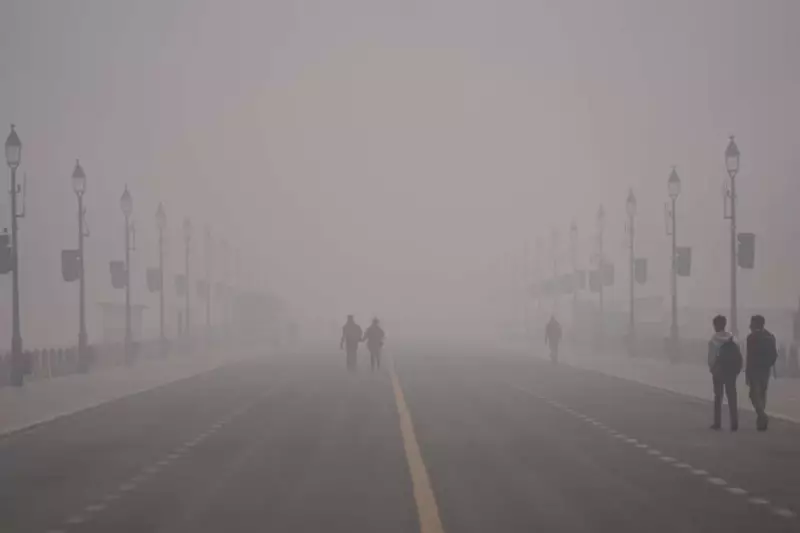
Delhi-NCR Breathes Easier as GRAP Stage 3 Curbs Are Withdrawn
The Commission for Air Quality Management (CAQM) has officially revoked the Graded Response Action Plan (GRAP) Stage 3 restrictions across the Delhi-National Capital Region (NCR). This decision comes as a direct response to a notable and sustained improvement in air quality levels, offering much-needed relief to residents and businesses alike.
Significant Improvement in Air Quality Metrics
Recent data from monitoring agencies indicates that the Air Quality Index (AQI) in Delhi and its surrounding areas has shown a marked decline, moving from the 'severe' and 'very poor' categories into the 'poor' to 'moderate' range. This positive shift is attributed to favorable meteorological conditions, including increased wind speeds and a reduction in stubble burning incidents in neighboring states.
Key Restrictions Lifted Under the Revocation
With the withdrawal of GRAP Stage 3, several stringent measures that were imposed to combat hazardous pollution levels have been lifted. The most significant changes include:

- Resumption of Construction Activities: All public and private construction projects, which were previously halted, can now resume operations. However, they must continue to adhere to dust control norms as per guidelines.
- Relaxation on Vehicle Operations: Restrictions on the entry of certain categories of vehicles, such as BS-III petrol and BS-IV diesel four-wheelers, into Delhi have been removed, easing transportation and logistics.
- Operational Easing for Industries: Industries that were mandated to reduce operations or switch to cleaner fuels can now operate normally, provided they comply with existing emission standards.
Continued Vigilance and Lower-Stage Measures
While Stage 3 restrictions have been revoked, the CAQM has emphasized that lower-stage measures under GRAP, such as Stage 1 and Stage 2, remain in effect. These include actions like:
- Regular mechanized sweeping of roads to minimize dust.
- Strict enforcement of pollution control measures at construction sites.
- Public awareness campaigns to encourage the use of public transport and reduce vehicular emissions.
The commission has advised authorities to maintain close monitoring of air quality and be prepared to reimpose stricter measures if conditions deteriorate again.
Impact on Daily Life and Economy
The lifting of GRAP Stage 3 restrictions is expected to have a positive impact on the daily lives of citizens and the local economy. Construction workers can return to their jobs, reducing financial strain, while businesses reliant on transportation and industrial activities will experience fewer disruptions. Residents, who have been grappling with health issues due to poor air quality, can look forward to cleaner air and improved outdoor conditions.
However, experts caution that while the current improvement is welcome, long-term solutions, such as reducing vehicular emissions, promoting green energy, and controlling industrial pollution, are essential to prevent a recurrence of severe air pollution episodes in the future.