

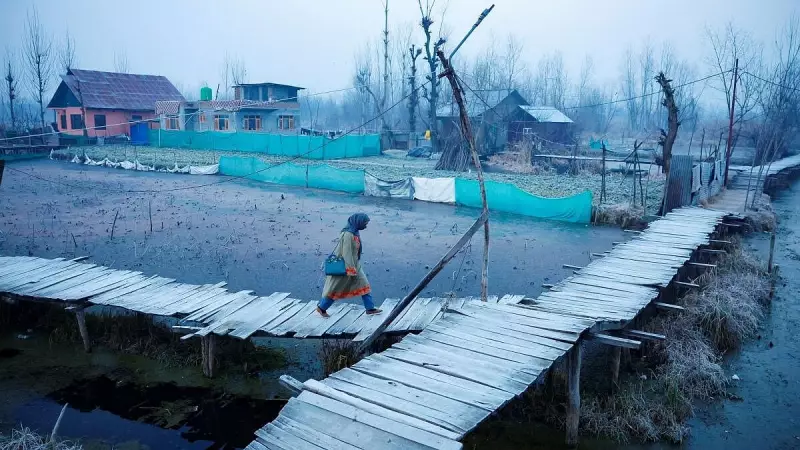
Parts of Dal Lake in Srinagar have frozen solid. This dramatic event comes as the Kashmir Valley battles a severe cold wave. The region is currently experiencing 'Chilla-i-Kalan'. This is a traditional 40-day period of intense winter cold.
What is 'Chilla-i-Kalan'?
'Chilla-i-Kalan' represents the harshest phase of winter in Kashmir. It typically lasts for forty days. During this time, temperatures plummet drastically. The chances of heavy snowfall are at their highest. This period tests the resilience of local residents.
Temperature Plunge Freezes Iconic Lake
The freezing of Dal Lake sections highlights the extreme conditions. Reports indicate temperatures have dipped to concerning lows. Such freezing events are notable and do not occur every year. The lake's surface turning to ice creates a stark visual of the cold snap's intensity.

Local observers and social media users have documented the phenomenon. Photographs show portions of the lake covered in a sheet of ice. This transformation of the usually vibrant water body underscores the weather's severity. Residents are bundling up to cope with the biting chill.
Impact on Daily Life in the Valley
The cold wave disrupts normal life across Srinagar and surrounding areas. People are facing significant challenges. Daily routines are adapting to the freezing temperatures. The need for heating becomes paramount during these weeks.
Authorities and communities are likely monitoring the situation closely. Prolonged extreme cold can affect infrastructure and agriculture. The frozen Dal Lake serves as a clear, natural indicator of the environmental conditions gripping the region.
This freezing event marks a significant moment in the current winter season. It reminds everyone of Kashmir's powerful and sometimes unforgiving climate. The valley will continue to endure 'Chilla-i-Kalan' for its full duration, with more cold weather expected.






