The picturesque landscapes of North India have been gripped by a severe cold wave, with the hill stations of Tabo in Himachal Pradesh and Gulmarg in Jammu & Kashmir recording the coldest night of the year so far. The mercury plunged dramatically on the night of January 5, 2026, marking a significant dip in temperatures across the region.
Record Low Temperatures and Fresh Snowfall
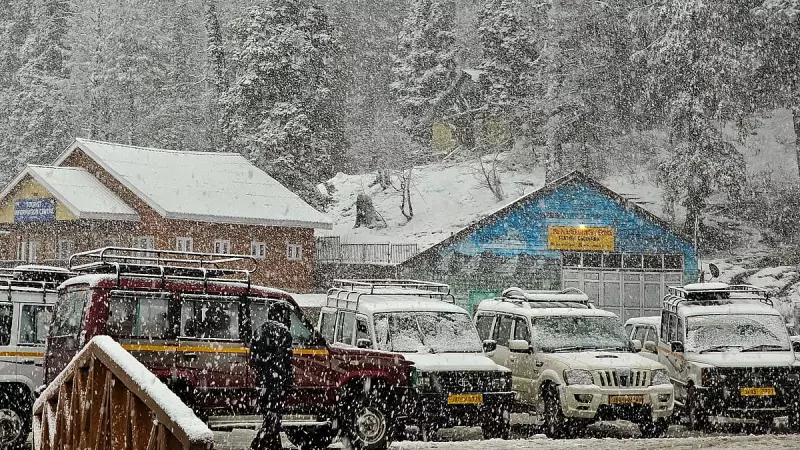
While a cold wave enveloped most parts of Himachal Pradesh, specific areas were also blessed with fresh winter precipitation. Koksar received a notable 2 cm of fresh snowfall, transforming the area into a white wonderland. Other regions like Kalpa and Gondla witnessed traces of snow, adding to the chilly ambiance. The simultaneous occurrence of intense cold and snowfall has defined the current weather pattern in the northern states.
Impact on Key Tourist Destinations
The weather development holds particular significance for popular tourist spots. Gulmarg, the famous ski resort in Kashmir, experienced its most frigid night of the season, which could potentially enhance winter sports conditions if followed by more snow. Similarly, the cold in Himachal's Tabo, known for its ancient monastery, underscores the widespread nature of this cold spell. Authorities and locals are bracing for the predicted continuation of snowfall, which is expected to further intensify the cold wave conditions.

Forecast and Precautions
With snowfall predicted to continue, residents and tourists in these regions are advised to exercise caution. The fresh snow in Koksar and the traces in Kalpa and Gondla indicate an active western disturbance. The plummeting temperatures, as evidenced by the record cold in Tabo and Gulmarg, necessitate warm clothing and preparedness for potential travel disruptions. The situation is being closely monitored by the meteorological departments, with updates expected to follow as the winter system evolves.
The current weather scenario, dated January 5, 2026, as reported by PTI, highlights a classic intense winter phase in North India. It brings together the dual phenomena of sharp temperature drops and welcome snowfall, affecting daily life, agriculture, and tourism in the Himalayan states.