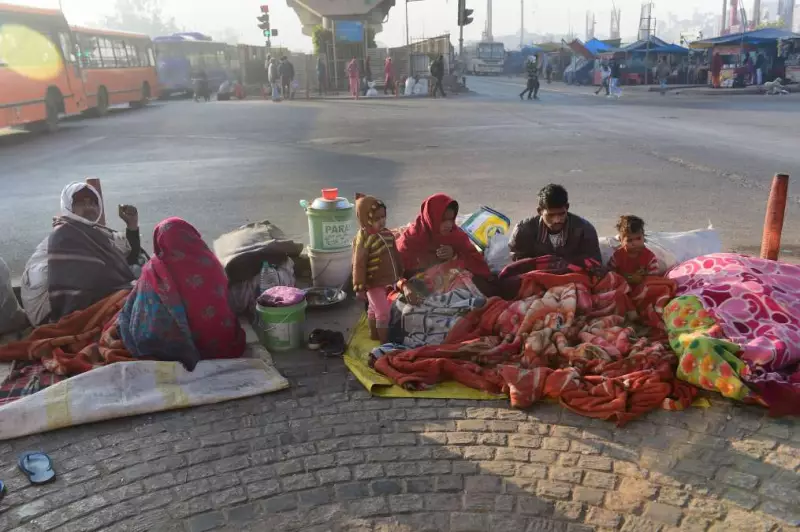
A harsh and unrelenting cold wave, coupled with thick, visibility-obscuring fog, has tightened its grip over vast swathes of northern and eastern India, throwing daily life and transportation into disarray. The severe weather conditions have prompted authorities in several states to take precautionary measures, including the closure of schools to protect children from the biting cold.
Widespread Disruption and Official Response
The India Meteorological Department (IMD) has been at the forefront, issuing critical alerts for dense fog and cold wave conditions across multiple states. The impact has been most acutely felt in the plains of North India. In the national capital, Delhi, residents woke up to another morning of near-zero visibility, with the minimum temperature plunging to a chilling 3.5 degrees Celsius. The dense fog blanket severely disrupted road, rail, and air travel, leading to significant delays and cancellations.
In response to the dangerous conditions, state governments have activated emergency protocols. The government of Rajasthan announced the closure of all schools in Jaipur for two consecutive days, specifically January 6 and 7, to safeguard students from the intense cold. Similarly, in Uttar Pradesh, district administrations in Lucknow and Meerut have ordered schools to suspend physical classes, opting for online alternatives to ensure educational continuity without risking children's health.

Eastern India Feels the Chill: Tripura and Beyond
The cold wave's reach extends far beyond the northern plains, severely affecting eastern regions as well. The state of Tripura has been grappling with unusually low temperatures, leading the state government to shut down all schools until January 7. This decision underscores the widespread nature of the current weather crisis.
Other eastern states are also reporting challenging conditions. Bihar and Jharkhand continue to shiver under cold day conditions, where despite a clear sky, the maximum temperature remains significantly below normal. The IMD has forecast that these cold, dry winds are likely to persist, offering little immediate respite to the millions affected.
Travel Chaos and Health Advisories
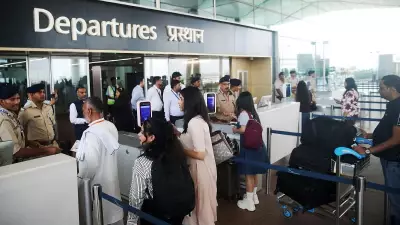
The transportation network across North India has borne the brunt of the dense fog. Major highways have witnessed traffic moving at a snail's pace, with increased risks of accidents. The aviation sector has been hit hard, with flights at key airports like Delhi's Indira Gandhi International experiencing long delays and diversions due to poor runway visibility. Railway services have also been massively impacted, with numerous trains running several hours behind schedule, causing inconvenience to thousands of passengers.
Health officials have issued advisories, urging the public, especially the elderly and children, to take necessary precautions. The advisory includes:
- Avoiding early morning and late evening outdoor activities.
- Wearing multiple layers of warm clothing.
- Staying hydrated and consuming warm foods.
- Being vigilant for symptoms of hypothermia and flu.
As a vast cold wave and dense fog continues to envelop the region, the focus remains on public safety and minimizing disruption. The IMD's alerts suggest that while the fog may show some intermittent improvement, the cold wave conditions are likely to persist for the next few days, keeping authorities and citizens on high alert.