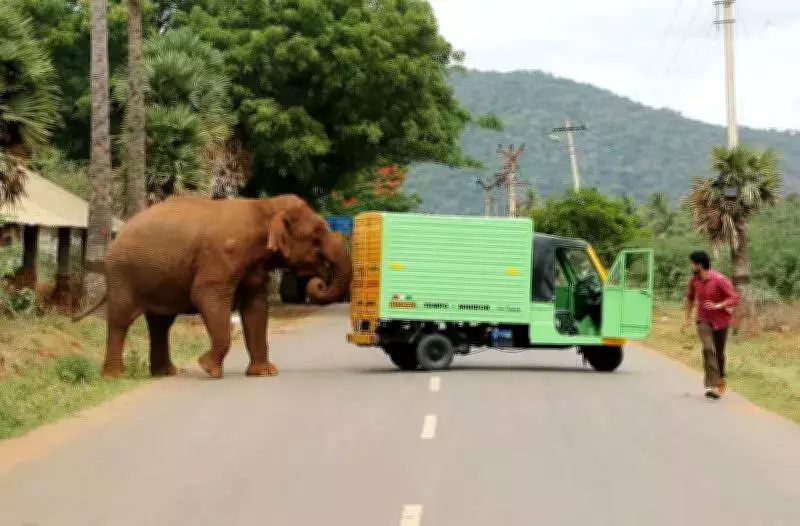
Coimbatore's Escalating Human-Elephant Conflict: A Battle for Survival
The Coimbatore forest division is witnessing an intensifying struggle for survival between humans and wild elephants, with the conflict showing no signs of abating. This ongoing confrontation has created a precarious situation where both human lives and elephant populations face significant threats.
Alarming Fatality Statistics Reveal Growing Crisis
Recent data paints a concerning picture of the human toll in this conflict. In 2024 alone, 12 people lost their lives to wild elephant attacks within the Coimbatore forest division, marking a substantial increase from the previous year's figures. This represents a disturbing escalation from the seven fatalities recorded in 2023, indicating that the situation is deteriorating rather than improving.
The year 2023 had already seen 14 human deaths attributed to wild elephant encounters, demonstrating that this is not an isolated problem but a persistent and growing crisis that demands immediate attention and intervention.

Elephants Also Face Grave Dangers in Conflict Zones
While human casualties dominate headlines, the lives of wild elephants are equally imperiled in these conflict areas. As human settlements expand and agricultural activities encroach upon traditional elephant habitats, retaliatory measures have become increasingly common.
Farmers and residents often resort to extreme protective measures, including the installation of illegal electric fences around their crops and properties. These dangerous barriers pose serious threats to elephant populations, creating a vicious cycle where both species suffer from the escalating tensions.
Forest Department's Comprehensive Action Plan
Recognizing the urgency of the situation, the Coimbatore forest division has developed a multi-pronged action plan to address the human-elephant conflict. Central to this strategy is creating awareness among residents of conflict-prone villages through the Tamil Nadu Innovation Initiatives.
D Venkatesh, Chief Conservator of Forests and Field Director of Anamalai Tiger Reserve, emphasizes that "man-animal conflicts are prevalent in districts along the foothills of western ghats, with Coimbatore being one such district." He identifies several key factors driving these conflicts:
- Encroachment of government land parcels in forest areas
- Conversion of mud roads into paved roads through sensitive habitats
- Agricultural activities conducted too close to forest boundaries
Venkatesh advises that "farmers should avoid cultivating crops that attract elephants and other wild animals in areas adjacent to forests." To mitigate the situation, the department is creating water reservoirs within forest areas and conducting extensive awareness programs for communities living near forest boundaries.
Root Causes and Elephant Behavior Patterns
District Forest Officer N Jayaraj provides additional insights into the conflict's underlying causes. He identifies boundary sharing issues, cultivation adjacent to forest areas, and rapid urbanization as major contributing factors to the escalating tensions between humans and elephants.
Jayaraj explains the behavioral patterns that exacerbate the conflict: "Once wild elephants start raiding crops, they tend to stay in that particular area, instead of searching for food in the forest. Elephants typically stray into residential areas and farmland during early morning and evening hours. People who are unaware of their presence eventually get attacked."
Technological and Preventive Measures Implementation
The forest department is deploying a range of technological and preventive measures to curb the conflict. Field staff are actively visiting vulnerable villages, advising residents to avoid going out during late evening and early morning hours when elephant movement is most likely.
Substantial infrastructure improvements are underway, including the installation of steel wire fencing along forest boundaries to prevent elephants from entering residential areas. This physical barrier approach represents a significant investment in conflict prevention.

Perhaps most innovatively, the department has implemented thermal imaging camera systems at strategic locations including:
- Near Subramaniaswamy temple at Marudhamalai
- Near Ponnuthu Amman temple at Thadagam
- Near Ulagambikai Amman temple
These advanced surveillance systems are installed atop tall towers with 360-degree viewing capabilities. They can record animal movements up to one kilometer away, capture detailed photos and videos, and transmit this information directly to the control room at the divisional forest office. This real-time monitoring enables staff to alert field teams promptly and take preventive action to mitigate potential conflict situations before they escalate.
The Path Forward: Toward a Zero-Conflict Zone
Jayaraj articulates an ambitious vision for the future: "Our goal is to make Coimbatore a zero man-elephant conflict zone." This objective acknowledges that controlling the conflict requires more than just reactive measures—it demands comprehensive strategies that address root causes while protecting both human communities and elephant populations.
Officials emphasize that public cooperation is essential for any meaningful progress. Without community participation in awareness programs, adherence to safety guidelines, and support for conservation efforts, the conflict will likely continue to escalate. The forest department's multifaceted approach represents a determined effort to balance human needs with wildlife conservation in one of Tamil Nadu's most ecologically significant regions.