

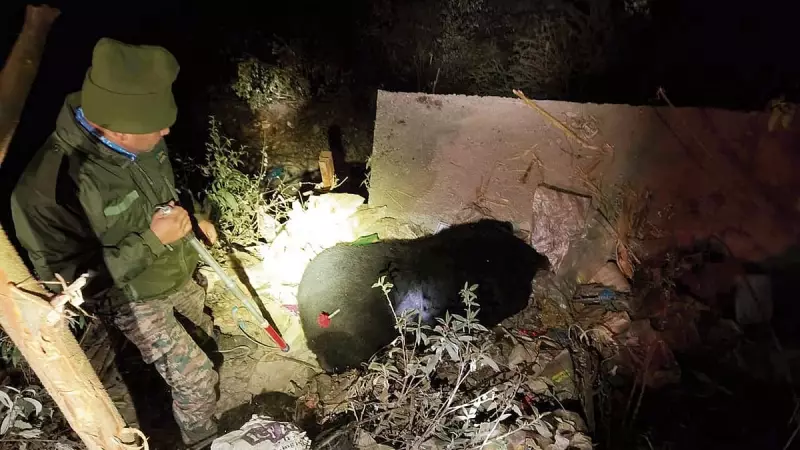
Climate Change Forces Himalayan Bears into Early Activity, Sparking Human Encounters
Climate change is now directly impacting wildlife behavior in the Himalayas. A significant drop in snowfall this season has disrupted the natural hibernation cycles of bears. These animals are waking up much earlier than usual. They are leaving their dens in search of food.
Scarce Snowfall Alters Bear Behavior
Traditionally, heavy snow covers the Himalayan landscape during winter. This snow forces bears into a deep hibernation. They sleep through the cold months to conserve energy. However, recent winters have seen much less snowfall. The reduced snowpack fails to trigger proper hibernation. Bears remain active or wake up prematurely.
This early arousal creates a critical problem. The bears' natural food sources, like berries and insects, are not yet available. The forest cannot support them at this time. Hungry bears must then venture closer to human settlements.

Human Food Sources Attract Desperate Bears
Bears are finding easy meals near villages and towns. Farmlands offer crops and livestock. Unsecured garbage dumps provide a constant supply of food waste. These human-associated food sources are highly attractive to the hungry animals.
As bears come down from higher altitudes, encounters with people increase. There are more reports of bears raiding crops. Some attacks on livestock have occurred. In a few cases, bears have entered residential areas, causing panic.
Local communities are facing a new challenge. They must now deal with wildlife conflicts that were once rare in winter. The situation demands immediate attention from forest departments and wildlife experts.
A Clear Link to Climate Patterns
Scientists point to changing weather patterns as the root cause. Warmer temperatures and irregular precipitation are becoming the norm. These changes affect the entire Himalayan ecosystem. Wildlife behavior is shifting in response.
The case of the bears is a stark example. It shows how climate change can alter animal life cycles. When hibernation fails, it sets off a chain reaction. Bears search for food, leading to conflict with humans.
This issue highlights the need for adaptive wildlife management. Communities may require better waste management systems. Farmers might need support to protect their fields. Awareness programs could help people stay safe.
The Himalayan region is witnessing a tangible consequence of a warming planet. The bears' disrupted hibernation serves as a clear warning sign. It underscores the urgent need to address climate impacts on both nature and human societies.






