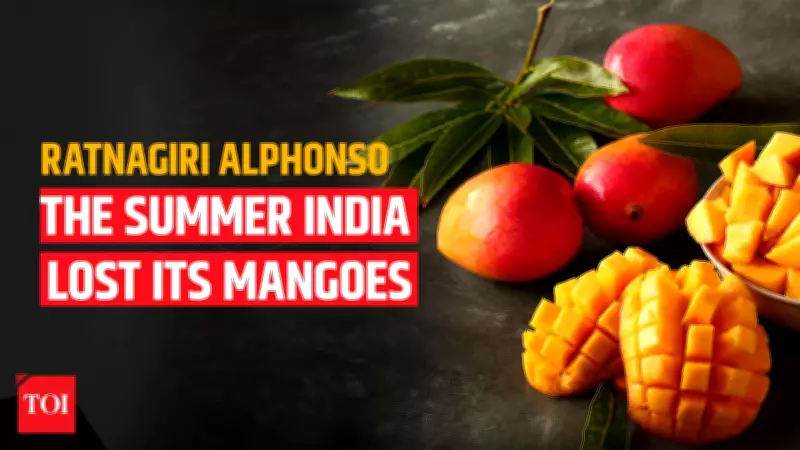
India's beloved Alphonso mango is facing one of its toughest seasons in years. Unseasonal rains, freezing temperatures, and extreme heatwaves have badly damaged mango orchards across Ratnagiri, slashing production of the iconic Hapus mango. But weather is only half the story. Ongoing geopolitical tensions and shipping disruptions in the Middle East are making exports slower and more expensive, pushing prices even higher. As climate chaos and global conflict collide, India's King of Fruits is battling a silent crisis threatening both farmers and mango lovers worldwide.
Impact of Climate Change on Mango Production
The Alphonso mango, known for its rich flavor and creamy texture, requires specific climatic conditions to thrive. This year, erratic weather patterns have disrupted the flowering and fruiting stages. Unseasonal rains during the flowering period led to flower drop, while sudden heatwaves caused fruit sunburn and premature ripening. Freezing temperatures in some areas further damaged young fruits. According to experts, these extreme weather events are becoming more frequent due to climate change, posing a long-term threat to mango cultivation.
Economic and Export Challenges
Beyond weather, global factors are compounding the crisis. Geopolitical tensions in the Middle East have disrupted shipping routes, leading to delays and increased freight costs. Exporters are struggling to meet international demand, particularly from markets in the United States, Europe, and the Middle East. The higher costs are being passed on to consumers, with mango prices soaring by up to 30% compared to last year. Small-scale farmers are hit hardest, as they lack the resources to adapt to these challenges.

- Unseasonal rains and heatwaves reduce mango yield by an estimated 40% in Ratnagiri.
- Shipping disruptions increase export costs by 25%, affecting global supply.
- Consumer prices rise, making Alphonso mangoes less accessible.
Farmers' Struggles and Adaptation
Farmers in Ratnagiri are employing various strategies to mitigate the impact. Some are investing in weather monitoring systems and protective covers for orchards. Others are diversifying into other mango varieties or crops. However, these measures require capital that many smallholders lack. Government support in the form of subsidies and insurance schemes is crucial but often insufficient. The crisis highlights the need for climate-resilient agricultural practices and stronger global cooperation to address supply chain vulnerabilities.
Global Implications
The Alphonso mango crisis is a microcosm of broader challenges facing agriculture worldwide. As climate change intensifies, staple crops in many regions are becoming less reliable. Simultaneously, geopolitical instability disrupts trade, exacerbating food insecurity. For India, the mango is not just a fruit but a cultural icon. Its decline would affect livelihoods, exports, and national pride. Addressing these issues requires urgent action at local, national, and international levels.
In conclusion, the beloved Alphonso mango is under threat from a combination of climate change and global conflict. Without concerted efforts to adapt and mitigate, the King of Fruits may become a rare and expensive delicacy. For now, mango lovers must brace for higher prices and limited availability, while farmers hope for a more stable future.